By Eamonn Ryan
How EP Refrigeration transformed Lactalis Clayville’s HVAC system.

All images supplied by Energy Partners Engineering
Meeting global standards for infant nutrition requires more than refrigeration. At Lactalis’ Sanulac Clayville facility, Energy Partners Refrigeration led a R59-million HVAC-focused upgrade that set new benchmarks for cleanroom control, compliance and future readiness. As such, this project was as much about the air-conditioning system as refrigeration. Sanulac Nutritionals Africa Zone is part of the Lactalis Group, the biggest dairy company in the world. Sanulac has a long heritage in the infant milk formula industry. In infant formula production, air quality is not an afterthought – it is the heart of compliance, safety and consumer trust. When Lactalis, the French-based global dairy leader, acquired Aspen’s infant milk business in Olifantsfontein, Midrand, it inherited not just a facility, but also the responsibility to align it with some of the strictest international norms in pharmaceutical and food- grade manufacturing.
The Clayville Nutritionals site, dedicated to producing infant milk powder, already had a legacy HVAC&R setup. But the system was no longer fit for the company’s expanded ambitions, nor for the tighter air pressure zoning, dehumidification and hygiene requirements demanded by Lactalis’ engineering team in France. The latter did the design specifications to European standards, with Energy Partners Refrigeration (EPR) following up on that design. EPR was brought in to deliver a comprehensive HVAC upgrade – one that would transform the facility into a high-care, globally compliant site. Refrigeration would still play the crucial role, supplying chilled and hot water, but it was the air side of the project that aided in defining operations.
A project anchored in air quality
The core aim of the project was to re-zone the production facility with carefully calibrated air pressures and improved filtration. By redesigning the air handling and ducting systems, EPR sought to prevent cross-contamination between clean and less-clean zones, a critical factor when dealing with infant nutrition products. Manie Magnus, project engineer at EPR, explained that the specifications were stringent: “The client in France signed off on all the designs. We worked to their performance specifications, which were informed by international norms. On the air side, they provided the design requirements, while we engineered the refrigeration plant to support that.”
The result was a dual system:
- New German-supplied pharmaceutical-grade AHUs (air handling units), with solid construction to eliminate bacterial growth points according to European standards and designed for easy wash-down.
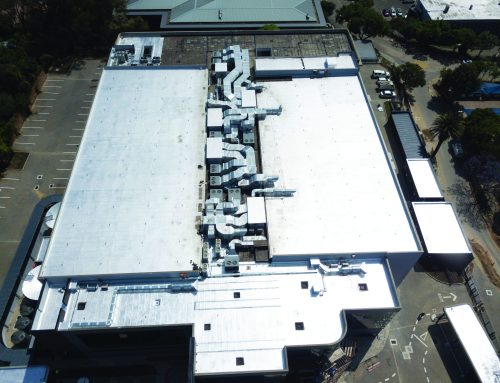
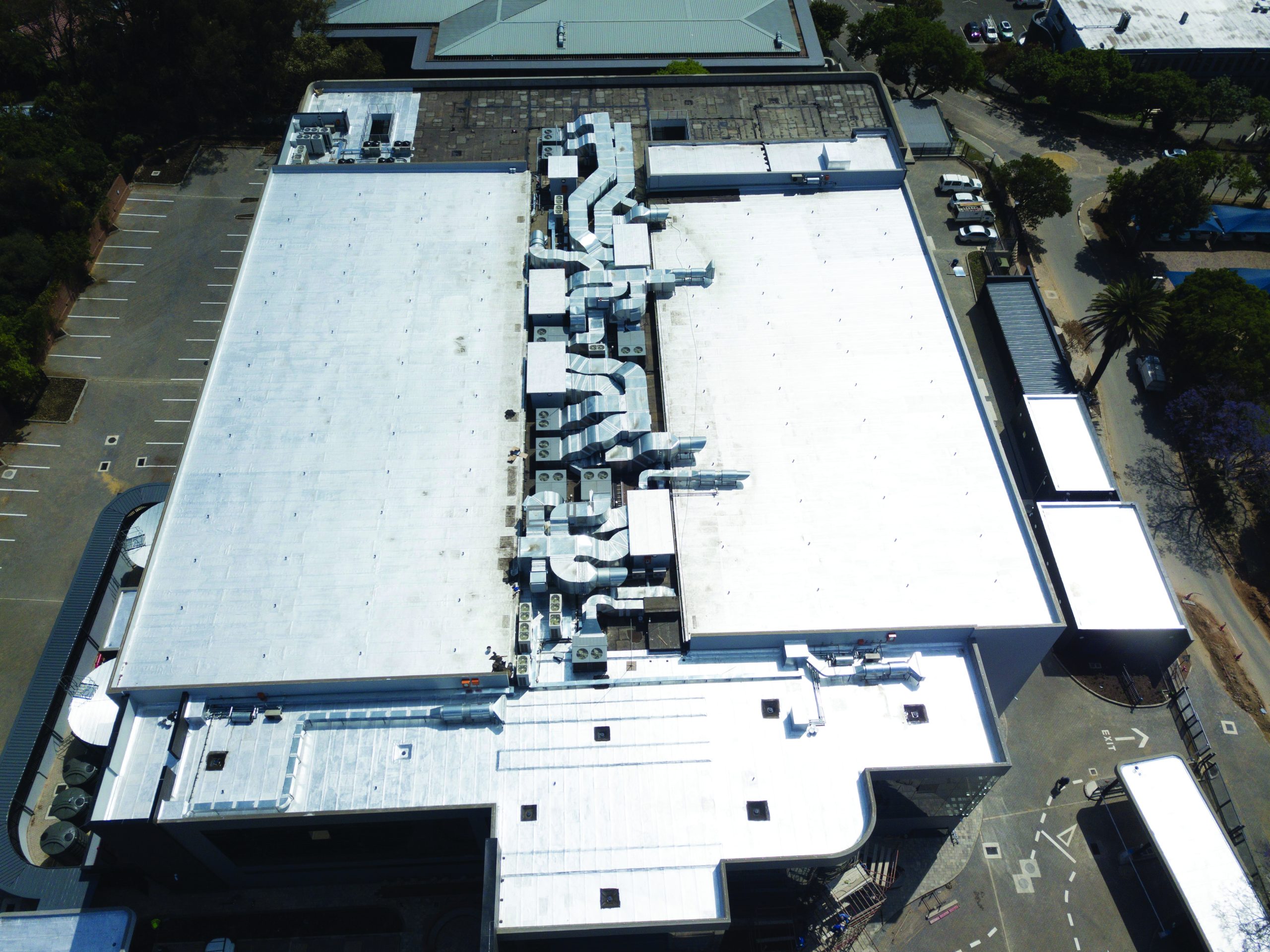
- Stainless steel and textile ducting, engineered for hygiene, flexibility and simplified cleaning routines.

The three ammonia charged compressor packages have 50% excess capacity for future expansion.
This hybrid approach balanced robustness with practicality. The textile ducting, supplied by EMAIR, could be easily removed, washed and reinstalled – a feature particularly valued in dairy and infant formula environments. Stainless steel handled the critical permanent sections. A crucial design choice came in the form of the cooling medium. Instead of relying on glycol mixtures, EPR opted for ice water at 2°C as the secondary refrigerant. The decision was driven not by refrigeration efficiency alone, but by dehumidification needs. Infant milk powder requires ultra- precise relative humidity (RH) levels to ensure product stability and compliance. Achieving that balance meant pushing the supply air temperature lower than in standard food facilities.
The 2°C water is a result of the dehumidification we’re doing on the AHUs to get to the correct RH,” Magnus noted. By aligning chilled water generation with air-handling targets, the project ensured that the HVAC system could consistently hit Lactalis’ humidity specifications – a task that older Freon-based chillers could not guarantee. The pharmaceutical-spec AHUs were at the centre of the HVAC redesign. Their washability, seamless drain pans and anti-microbial construction met European standards. This was critical because even microscopic design flaws – a seam where condensation could pool, for instance – could become a risk in a high-care infant formula facility.
Equally important was the zoning strategy. Following pharmaceutical cleanroom logic, areas were tiered by cleanliness, with positive pressure maintained in the most sensitive spaces. Dampers, integrated with sensors and linked to the AHU controls, automatically adjusted airflow to ensure pressure differentials were upheld. This pressure cascade, from clean to less clean, was not only designed but carefully commissioned under real production conditions, adding to the challenge.
Project execution: The three-month shutdown
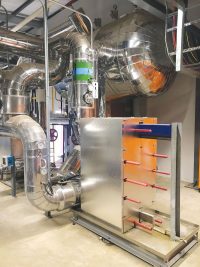
The refrigeration plant room has a plate heat exchanger with provision for any increase in future required capacity.
Perhaps the boldest aspect of the project was Lactalis’ decision to shut down production entirely for three months – a rare move in food and pharmaceutical industries, where upgrades usually happen alongside ongoing operations. This shutdown created an opportunity, but also a logistical race. “Because we had to install a lot of ducting in most of the production areas, the client decided to do a complete upgrade not only the HVAC but also major maintenance on process equipment,” Magnus explained.
During this window:
- All textile and stainless steel ducting was installed
- The new AHUs were connected and tested
- Zoning was redefined with new dampers, sensors and controls
- The refrigeration plant room was simultaneously completed to provide chilled and hot water for the AHUs
Outside the facility, work began even earlier. A new plant room was constructed on what had previously been a grass patch. Built on raft foundations due to dolomitic soil conditions, it housed the compressors, adiabatic condensers and piping headers feeding the HVAC system. Rain added complications. “It was rainy season when they wanted to construct the plant room. Twice it became a dam. Despite delays, the building was ready by the time the three- month shutdown began,” Magnus recalled. Unlike standard industrial projects, commissioning in a pharmaceutical-spec facility carries extra hurdles. Access is tightly controlled, with staff required to wear full-body PPE (Personal Protection Equipment) suits, boots and hoods before entering sensitive zones. This was to be avoided except in dire need. “We did what I call ‘live commissioning. As production started up again, we were still fine-tuning the system, with almost no access inside anymore,’” said Magnus. Temperature and humidity probes had to be validated, airflow balanced and pressure cascades confirmed – all while Lactalis’ production lines for infant milk powder resumed operation. This overlap required not only technical skill, but also co-ordination with Lactalis’ international project managers.
The air system supporting refrigeration
As refrigeration was the headline feature, the HVAC upgrade played a critical supporting role in enabling the former.

Stainless steel pipe cladding for pristine conditions throughout the facility.
Key elements included:
- A new ammonia plant with a critical charge system, designed for efficiency and safety.
- GEA Grasso V series compressors for the lowest total cost of ownership (energy, maintenance and reliability)
- Heat recovery integration with the client’s UHT process, reclaiming waste heat for hot water production.
- Adiabatic condensers, selected for water-saving benefits in South Africa’s water-scarce
By using natural refrigerant ammonia (with zero ozone depletion potential and zero global warming potential), the system aligned with Lactalis’ global sustainability strategy. Future-proofing was another cornerstone of the project. The refrigeration and HVAC systems were deliberately oversized by 50%, creating headroom for growth.
Currently, some Freon-based systems remain in service for older process loads, but the vision is: as Lactalis expands production at Clayville, these will be phased out and the ammonia plant will assume full responsibility. The HVAC infrastructure, meanwhile, is already equipped to handle that expansion – ensuring that as output grows, air quality standards remain uncompromised.
A project of this complexity required co-ordination across multiple contractors and continents:
- EP Refrigeration designed and built the ammonia plant and piping
- ITD handled ducting and AHU
- German AHU supplier, Robatherm, provided pharmaceutical-grade
- EMAIR supplied textile
- Lactalis Engineering (France) oversaw design management and compliance
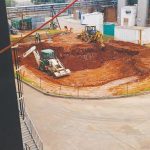
A patch of green virgin ground was excavated and strengthened for the foundation of the new plant room
Monthly site visits by Lactalis’ French project manager ensured alignment with global standards, while local contractors managed day-to-day progress. Despite the number of stakeholders, Magnus described the teamwork as smooth: “Even though all the contractors were direct appointments managed by the client, it went well. It was a good team.” The R59-million upgrade at Lactalis Clayville Nutritionals represents more than a technical project – it is an investment in consumer trust, regulatory compliance and global competitiveness. By prioritising air quality and zoning, supported by a forward- thinking refrigeration backbone, EPR and its partners have created a facility that not only meets today’s standards but is also ready for tomorrow’s growth. In the words of Magnus, the achievements worth bragging about are a world-class air handling system, built on innovative engineering, international collaboration and an unrelenting focus on infant nutrition safety.
| Project name: | Zoning project | |
| List of professionals: | Name of company | |
| Owner | Lactalis | |
| Project manager | Lactalis France Engineering department | |
| Consulting engineer | Mechanical | Energy Partners Engineering |
| Contractors | HVAC&R | Energy Partners Refrigeration, ITD as HVAC sub contractor |
| Product suppliers | Product | Supplier |
| Compressors | GEA | |
| Condensers | HC | |
| Pumps | KSB |
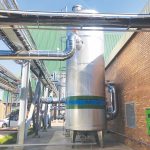
A vertical stainless-steel tank for the storage of required chilled water.
| AHUs | Robatherm | |
| Textile ducting | EMAIR | |
| PHE | Alfa Laval |