By Eamonn Ryan
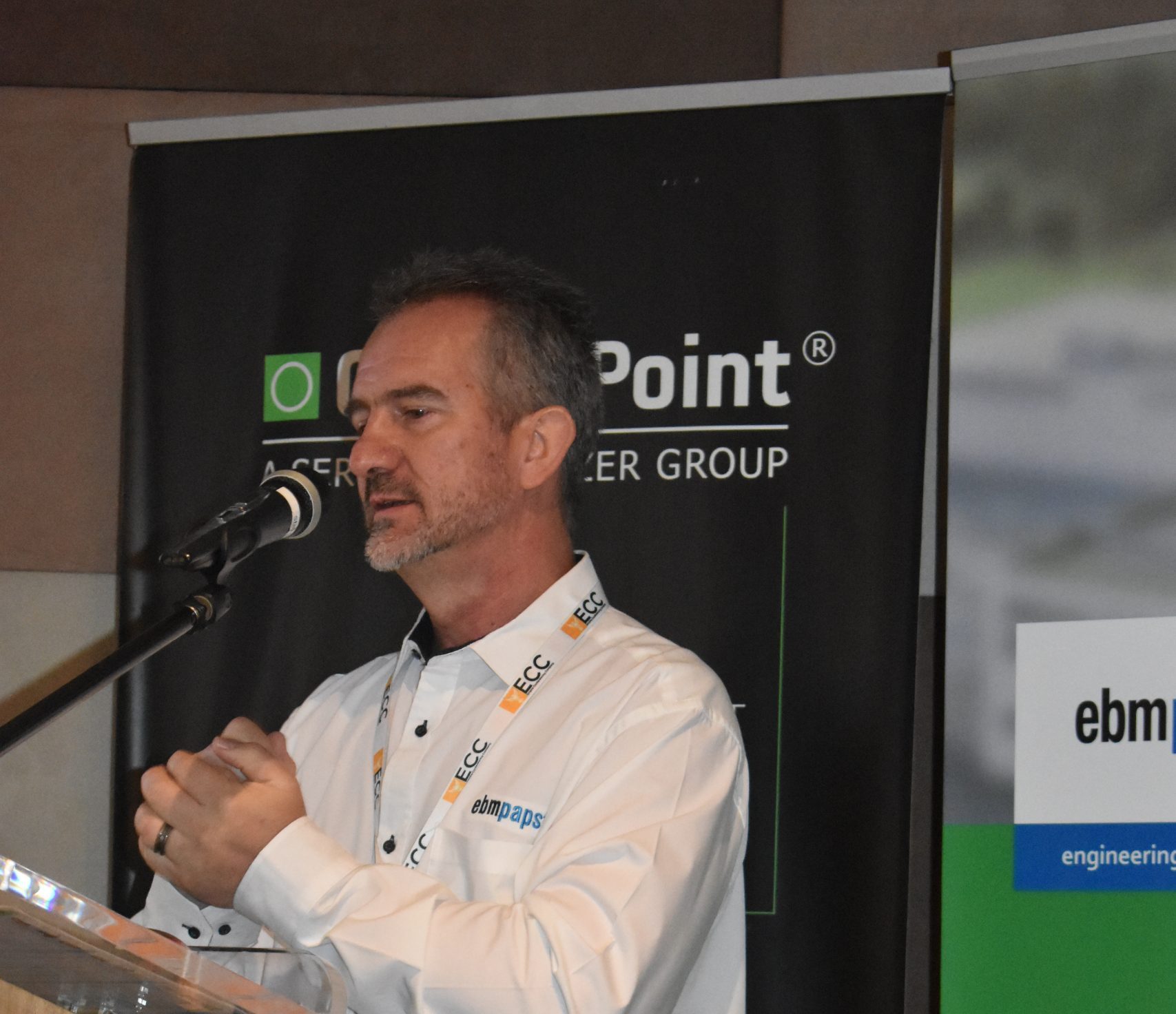
During the SAIRAC Johannesburg Centre TechTalk on Continuing Professional Development (CPD), attendees raised a critical question: will CPD requirements remain limited to professional engineers, or will they extend to artisans and technicians working on the front lines of refrigeration and air conditioning? Robert Fox, CPD administrator, shared what is known so far – and what is still taking shape.

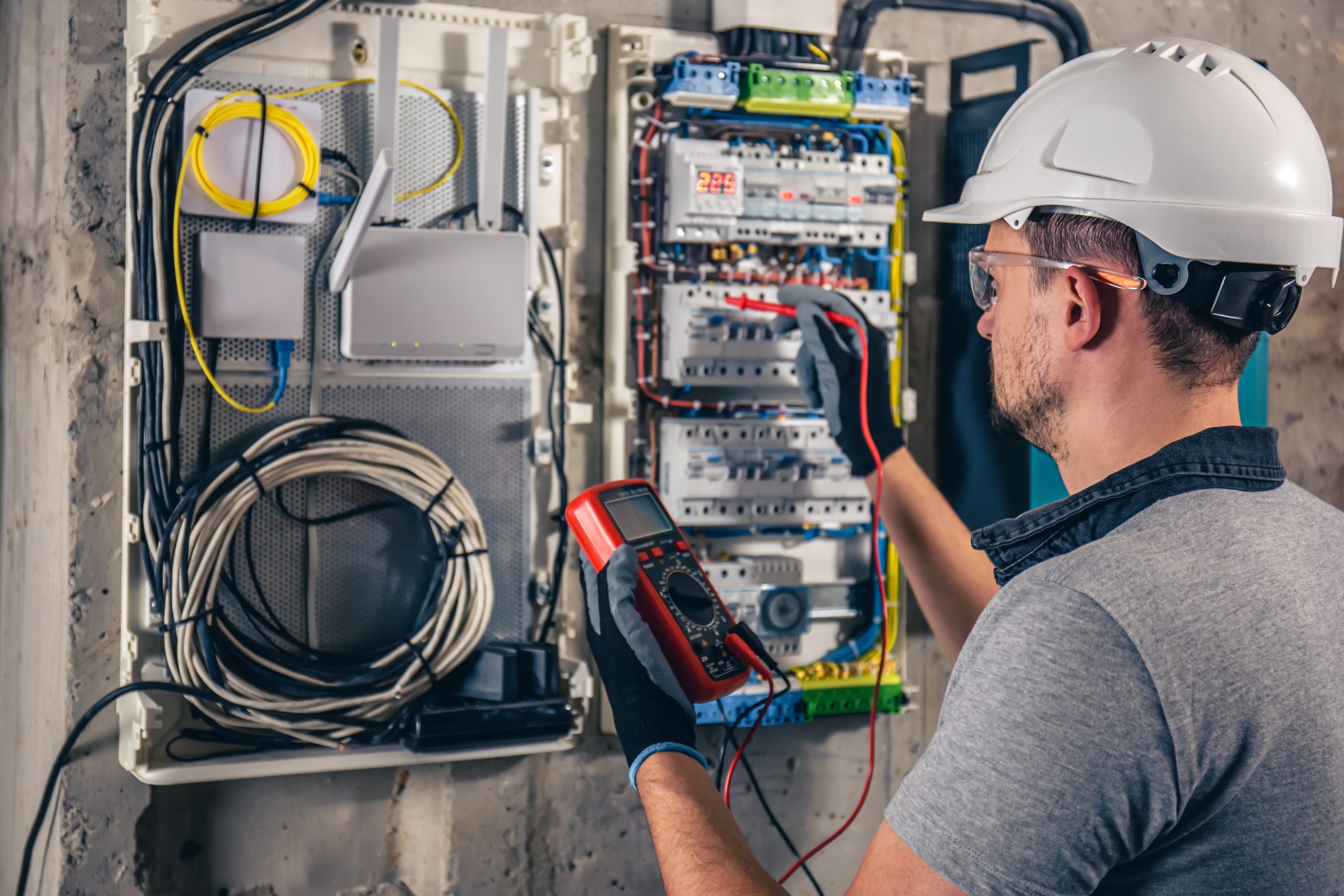
CPD is coming for technicians and artisans too.
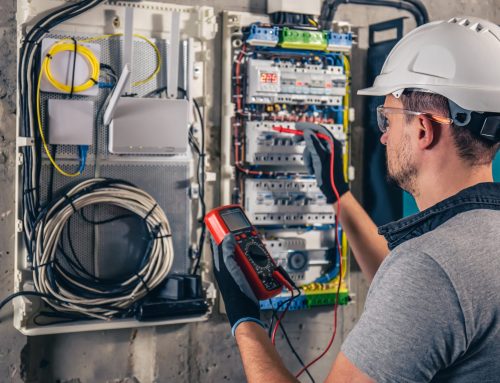
Pvproductions | Magnific.com
For many years, CPD in South Africa has largely been associated with professional engineers and technologists. However, one of the most pressing questions in the SAIRAC Johannesburg Centre June TechTalk was whether refrigeration and air‑conditioning technicians – the artisans actually installing and maintaining systems – will also be drawn into the formal ECSA CPD net.
In response to a question about ‘professional artisans’ and their future obligations, Fox confirmed that change is coming. According to current indications from the Engineering Council of South Africa (ECSA), technicians in the refrigeration and air‑conditioning fields will, in time, be required to:
- Register with ECSA, and
- Participate in CPD, accumulating CPD credits to maintain that registration.
This includes roles such as refrigeration mechanics and air‑conditioning technicians, whether they qualified under the old trade certification system or the newer trade test framework. The intent, as Fox described it, is to bring technicians into alignment with the same overarching CPD standard that governs professional engineers under ECPD‑01‑SDA.
At this stage, the implementation details are still being developed. ECSA is working on the ‘groundwork’, including database structures and mechanisms to accommodate technicians. Based on the information available, Fox suggested an indicative timeline of roughly three years before this is likely to be fully rolled out. However, he was careful to stress that the exact timing and mechanics are not yet final.
One likely consequence is that many technicians – and their employers – may find themselves “on the back foot” if they do not prepare early. The concern is that, once formalised, the CPD system for technicians could be introduced quite quickly, leaving little time to adjust training budgets, HR policies and career development plans.
From a regulatory perspective, the rationale is consistent with the goals already applied to professional engineers. ECSA wants to ensure that anyone practising in critical roles – whether designing systems or working hands‑on with refrigerants:
- Keeps up with new technologies and regulations
- Understands emerging refrigerant classes, including more flammable A2L and A3 refrigerants
- Continues to develop professionally across a whole career, not just at the point of trade qualification
This is particularly significant in a sector where technology and safety standards are changing rapidly. New refrigerants, new efficiency requirements and more stringent environmental and safety rules all demand ongoing learning.
For SAIRAC members, this shift presents both a challenge and an opportunity. The challenge is financial and administrative: technicians may face additional registration fees, training costs and time away from site. The opportunity lies in leveraging SAIRAC’s emerging CPD ecosystem – validated technical talks, enrichment courses and structured training – to meet ECSA’s requirements in a context that is tailored to the HVAC&R industry.
Fox indicated that SAIRAC is already planning a technical talk later this year focused specifically on the new trades, skills and qualification levels, which will provide further clarity. In the meantime, technicians and their employers would be wise to:
- Start tracking training more systematically
- Engage with professional bodies like SAIRAC
- Keep a close eye on ECSA communications about technician registration and CPD
The headline message is clear: CPD will not remain the exclusive concern of engineers. Refrigeration and air‑conditioning technicians should begin preparing now for a future in which their licence to operate will also be tied to ongoing professional development.