By Eamonn Ryan
From air conditioning to plumbing, practical donations are reshaping SPCAs.
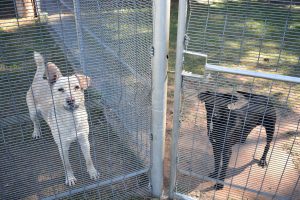
Doggies looking for a mom.
Corporate donations to animal welfare organisations are often associated with bags of dog food, blankets or fundraising events. Increasingly, however, companies are contributing something far more valuable: technical expertise and infrastructure support.
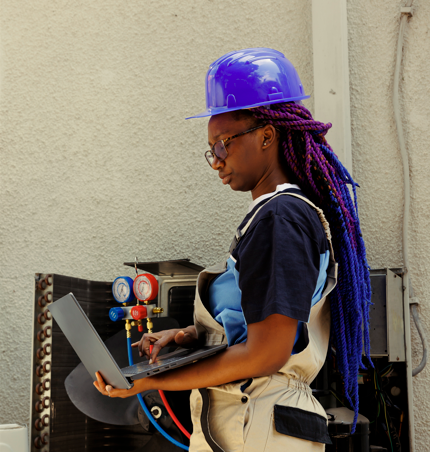
Across South Africa, SPCAs and rescue organisations are receiving assistance from HVAC&R contractors, plumbers, electricians, water specialists and other technical businesses that recognise an important reality – animal welfare facilities depend heavily on reliable environmental infrastructure.
At the Sandton SPCA, recent donations of climate-control equipment and plumbing upgrades highlighted how these partnerships extend far beyond charity alone. In many cases, companies are helping provide systems that directly affect animal health, sanitation and operational resilience.
For businesses, the motivation is often a combination of community involvement, employee engagement and a desire to contribute skills that create measurable impact. Usually, they also like pets.
Unlike once-off cash donations, technical contributions allow companies to see practical, long-term outcomes from their involvement. An air-conditioning installation in a kitten nursery or plumbing upgrade in an isolation ward continues delivering value for years after completion. These make the rescue animals healthier and happier, and consequently easier to find new homes.
Animal welfare organisations operate in highly demanding environments. Kennels, clinics and treatment areas require continuous cleaning, strict hygiene controls and stable environmental conditions to prevent disease outbreaks and minimise animal stress.
These are challenges that overlap directly with industries such as HVAC&R, plumbing and water management.
Temperature control, for example, is critical in spaces housing newborn or sick animals. Isolation facilities treating infectious diseases such as canine parvovirus require stable indoor conditions, proper ventilation and carefully managed sanitation procedures.
Similarly, plumbing systems form part of the frontline infection-control infrastructure. Reliable hot water, drainage and cleaning facilities are essential for maintaining hygiene standards and limiting cross-contamination risks.
The connection between technical infrastructure and animal welfare is becoming more widely recognised by businesses looking for meaningful CSI opportunities.
Importantly, many companies are discovering that supporting SPCAs also creates strong internal staff engagement. Employees often respond positively when employers contribute to visible community initiatives involving animals and rescue work.
For smaller contractors and specialist service providers, contributions do not always need to involve major capital projects. Discounted labour, maintenance assistance, emergency callouts or surplus materials can all have significant impact for organisations operating under tight financial constraints.
In South Africa, most SPCAs function independently and rely heavily on public donations and community partnerships. Infrastructure upgrades that commercial facilities may consider routine can become major expenses for welfare organisations.
This creates opportunities for technical industries to contribute where their expertise is most valuable.
The broader environmental dimension is also increasingly important. Water-saving systems, energy-efficient climate control, improved sanitation infrastructure and borehole installations all help animal welfare organisations operate more sustainably while reducing operational costs.
As utility costs continue rising and municipalities face mounting service-delivery pressures, resilient infrastructure is becoming essential for shelters and welfare facilities.
For many companies, involvement in these projects reflects a growing shift in how corporate social investment is viewed. Rather than simply funding charitable activities, businesses are increasingly applying their technical capabilities to solve practical community problems.
In the process, they are helping ensure that organisations caring for vulnerable animals can operate more safely, efficiently and sustainably.