By Eamonn Ryan
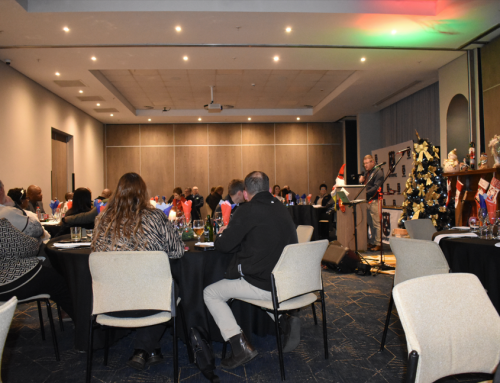
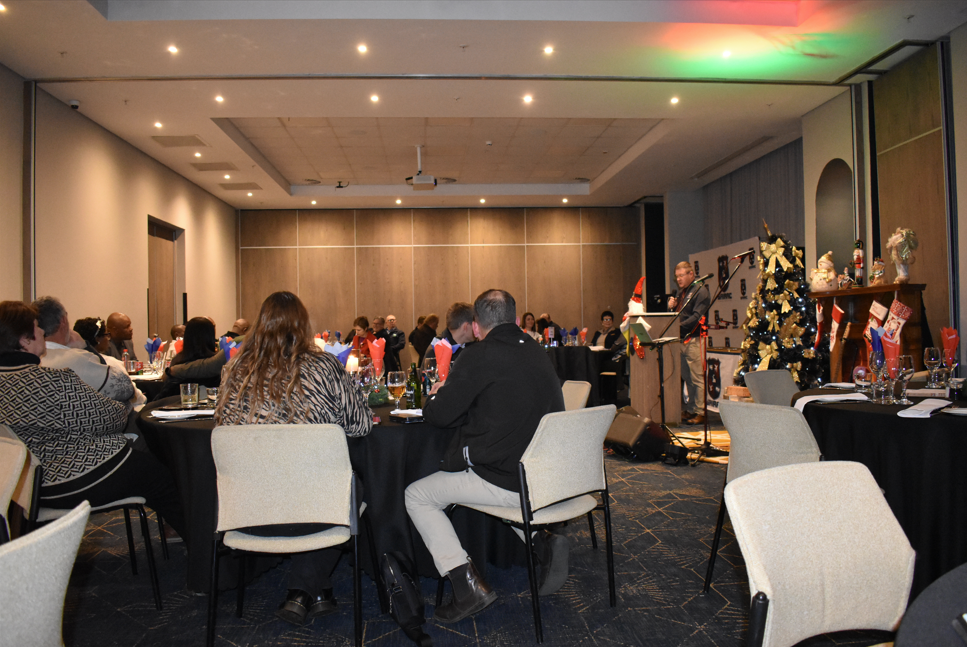
At the Mine Ventilation Society of Southern Africa (MVSSA) 2025 annual conference which coincided with its 80th anniversary, Dr Thuthula Balfour (a medical doctor) delivered a powerful keynote address, urging attendees to learn from the past, capitalise on the present and prepare for the future.

Dr Thuthula Balfour. © RACA Journal
Her address underscored the profound impact of mine ventilation and occupational hygiene on miner health and safety, a discipline that has evolved from rudimentary dust control to sophisticated environmental engineering.
The genesis of this vital profession is deeply rooted in South Africa’s gold mining history. Early 20th-century reports revealed a grim reality, with 85 out of every 1 000 rock drillers dying from miners’ phthisis between 1899 and 1902 (and a quarter showing symptoms). This crisis spurred calls for adequate underground ventilation, leading to pioneering efforts in dust measurement. Initial readings of 400 milligrams per cubic metre after blasting were dramatically reduced to 5.4 milligrams per cubic metre by 1913 through compulsory water use. A key moment came in 1917 with the mandatory appointment of dust inspectors, making South Africa the first country to have dedicated specialists protecting workers from mining hazards. These early efforts culminated in the establishment of the MVSSA in 1944.
“Today, the profession holds a highly recognised role in preventing occupational diseases. South Africa now produces comprehensive reports on occupational hygiene and diseases, tracking progress over time. The statistics point to a remarkable improvement: Tuberculosis rates have plummeted from 5 800 cases per 100 000 in 1995 to just 158 cases per 100 000 in 2023. Silicosis cases, which stood at 1 778 in 2008, reduced to approximately 230 by 2023. While Noise- Induced Hearing Loss has seen a 55% reduction from 2 380 cases in 2005 to 702 in 2023, it remains a significant concern, lagging behind the over 80% reduction seen in other diseases,” said Balfour. These achievements are largely attributed to the industry’s adoption of occupational health milestones and the proactive shift towards hygiene, which Balfour championed. New occupational exposure limits (OELs) are also being promulgated, aligning South Africa with international best practices.
Looking to the future, the profession is poised for further evolution, she said. “The role of professionals has shifted from a reactive, medicine-focused approach to proactive hygiene, a transition reflected in industry advisory committees. The professionalisation of mine ventilation qualifications is also advancing under a new QCTO framework. Importantly, the Society itself is embracing diversity, with women now representing 31% of its membership, a significant increase from its all-male founding in 1945 and above the broader industry average of 19%. Future challenges include implementing real- time air quality monitoring, leveraging advanced data analytics and AI for predictive safety, driving environmental sustainability and optimising energy efficiency.”
Balfour emphasised the critical need for multidisciplinary teams to engineer out hazards in increasingly deep and complex mines.
She concluded by saying the MVSSA’s 80-year journey marks a remarkable legacy of progress. “The profession has a bright future, with the vital responsibility of definitively closing the tap on occupational diseases, driven by a spirit of continuous improvement and collaborative innovation.”
Register for free to gain access the digital library for RACA Journal publications