By Eugene le Roux, FSAIRAC, and Eamonn Ryan
Beyond design and project co-ordination lies the operational reality of engineering: production and maintenance. These phases reveal a very different set of economic and practical dynamics. This is Part B of part two of a three-part series.

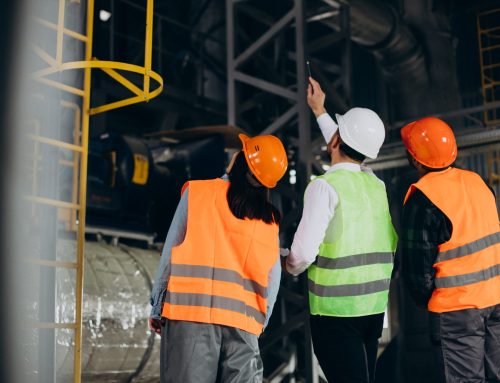
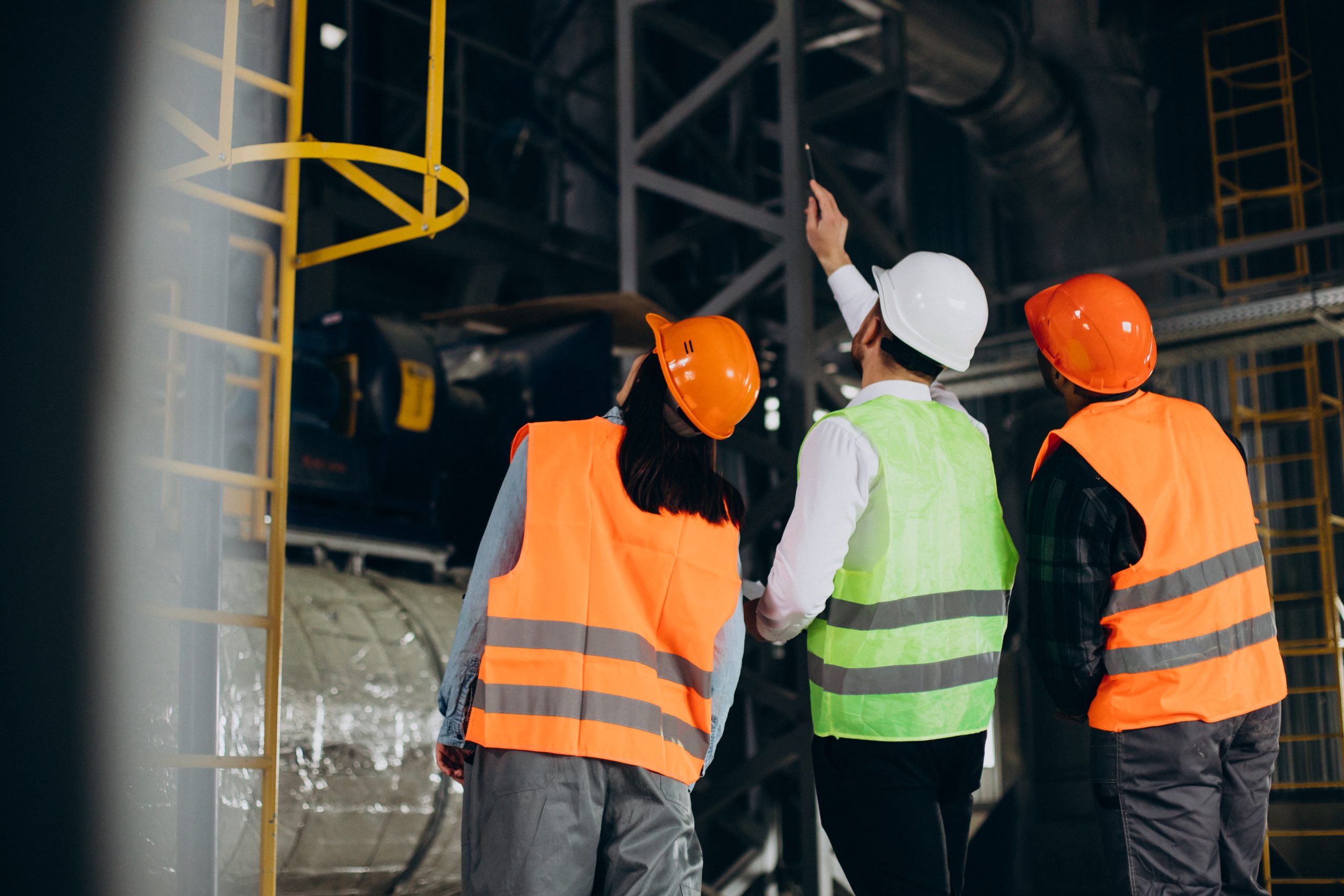
While diagnostic software and digital tools increasingly assist with troubleshooting, they do not eliminate the need for hands-on expertise. Snowing | Freepik.com
In Part 1, we described how engineering culminates in real-world application through production and maintenance. However, the nature of work – and how it is valued – shifts significantly between these stages.
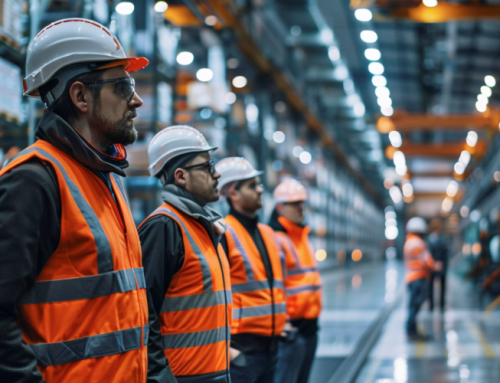
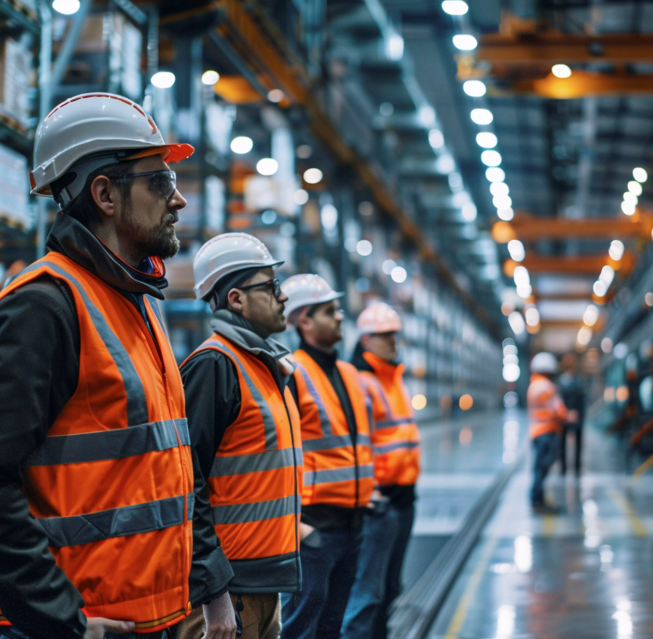
Consider production environments. Even when the product itself is complex, the process of manufacturing it is typically broken down into highly structured, repetitive tasks. Assembly lines are designed for efficiency, consistency and scalability. Through job division, each worker performs a narrow function, reducing the need for broad or advanced technical expertise.
This structure makes production highly amenable to automation. Machines and robotics can replicate repetitive actions with precision, and as technology advances, more of these roles are being replaced or augmented. The economic outcome is striking: production systems can generate substantial value through scale – what might be called a ‘multiplier effect’. Yet this value does not necessarily translate into high wages for those working on the line, as the skills required are more easily replaceable.
Maintenance, by contrast, presents an entirely different challenge.
Once systems are deployed into the real world, they become part of a vast and fragmented landscape of equipment – installed over years or even decades, often under varying conditions and standards. Unlike production, maintenance cannot easily rely on repetition or uniformity. Each failure is context-specific, shaped by wear, environmental factors, prior repairs and operational history.
This makes maintenance work inherently complex and resistant to automation. The artisan or technician must diagnose problems that are not always predictable, often working within constraints imposed by the existing system. In industries such as automotive repair or HVAC maintenance, even accessing a faulty component can require dismantling multiple interconnected parts. In some cases, this includes dealing with fluid systems – such as refrigerant or lubricants – which must be carefully managed, recovered and recharged.
These realities make maintenance both demanding and skill-intensive. Yet paradoxically, it is a field facing declining interest among younger generations. The work can be physically and mentally taxing, requiring patience, adaptability and deep practical understanding. While diagnostic software and digital tools increasingly assist with troubleshooting, they do not eliminate the need for hands-on expertise.
This creates an important tension within the engineering ecosystem. On one end, production becomes more automated and standardised. On the other, maintenance remains complex, variable and heavily dependent on human skill. The market for maintenance services is therefore vast and enduring, but it requires a different kind of professional – one willing to engage with unpredictability rather than control it through design.
Taken together, these dynamics reinforce the central idea introduced in Part 1: engineering is not a single discipline, but a lifecycle. In Part 2, we see that this lifecycle is also shaped by economics, labour structures and the realities of scale versus variability.
In Part 3, we will take this discussion further by examining how engineering responsibility, ethics and decision-making evolve across this continuum – and what it truly means to be accountable for the systems we create.