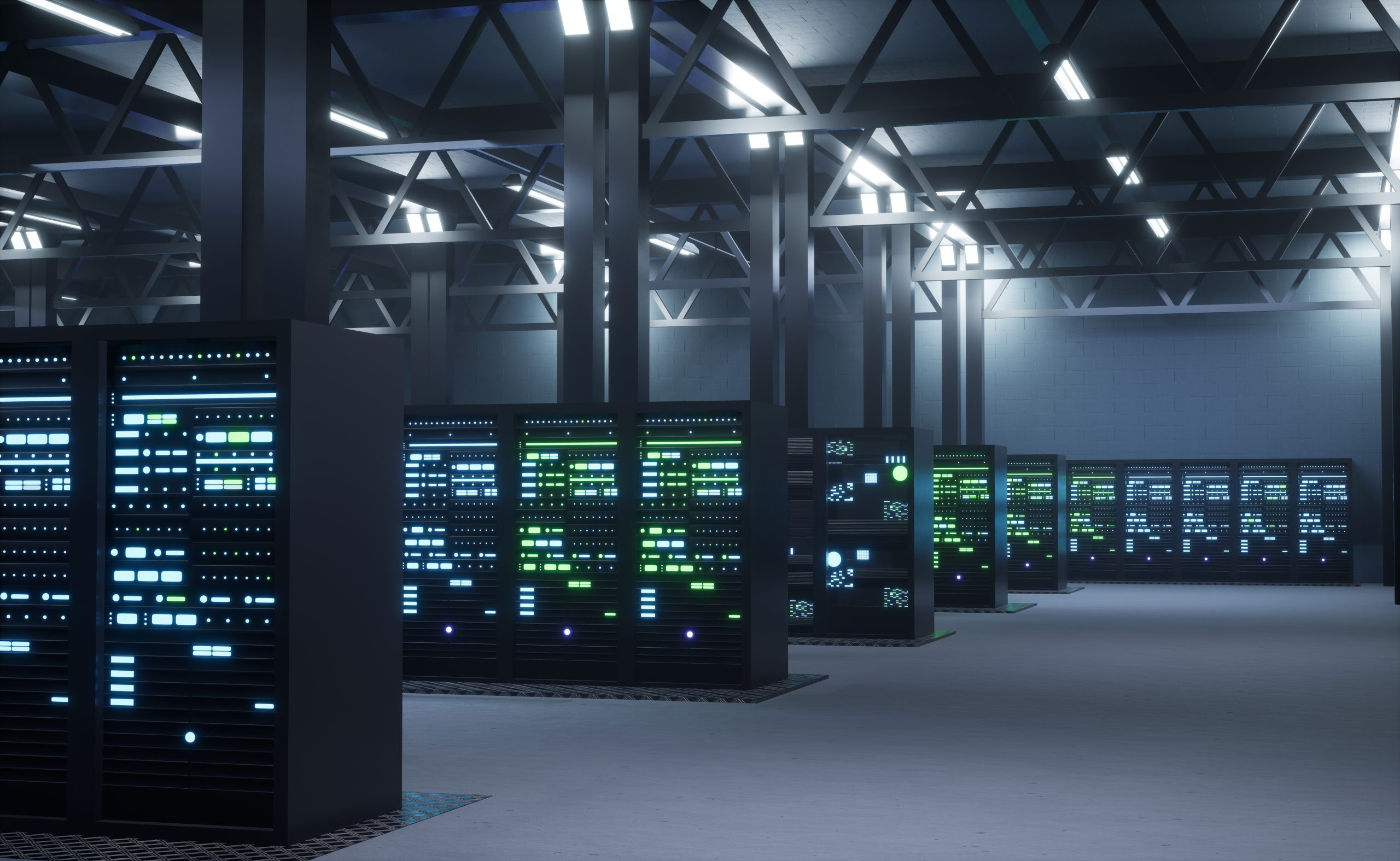
The explosive growth of artificial intelligence is placing unprecedented pressure on the physical infrastructure that powers the digital economy. Behind every AI prompt, automated workflow and machine-generated article lies a network of high-density data centres consuming vast amounts of electricity and water. This is part two of a two-part series.

An attentive audience listening to Trend strategist Dion Chang. © RACA Journal
Speaking at the ‘AI Unlocked: What ‘AI-ready’ means for your 2026 decisions’ seminar hosted by Open Access Data Centres (a WIOCC company) and Vertiv, Trend strategist Dion Chang highlighted the often-overlooked consequences of the AI boom: surging energy demand, rising water consumption for cooling, and a massive wave of new data-centre construction.
As AI workloads scale globally – and increasingly across Africa – cooling technologies, energy efficiency and sustainable infrastructure are becoming central to the future of data centres.
The environmental cost: electricity and water
Perhaps the most controversial aspect of the AI boom is its environmental footprint.
Chang noted projections that global electricity demand from data centres could rise by 160% by 2028. AI workloads, particularly those used for model training and inference, require massive computational capacity.
Cooling systems represent a substantial portion of that energy consumption. In addition to electricity, water usage is becoming a critical concern. Many large facilities rely on water-based cooling methods such as evaporative cooling towers. A widely cited estimate suggests that a single query submitted to ChatGPT may require approximately half a litre of water for cooling somewhere in the supporting infrastructure.
Globally, data centres are estimated to consume between 312 billion and 764 billion litres of water per year – comparable to the annual consumption of the entire bottled-water industry.
For water-stressed regions such as South Africa, these figures highlight the need for more efficient cooling designs and alternative technologies.
The above was subsequently clarified as being part of the “talking up” as new closed water-loop systems are becoming a reality that lose almost no water.
African realities and infrastructure planning
The implications become even more significant when considering new data-centre developments across Africa. Recent reports indicate plans for a 400MW AI data centre in Durban, developed with international investment. Facilities of this scale could consume a substantial share of regional electricity capacity.
Such projects illustrate the importance of careful infrastructure planning, particularly around:
- grid capacity
- energy efficiency
- water-efficient cooling
- sustainable data-centre design
Cooling innovation will play a central role in making these facilities viable.
The USD88-trillion AI infrastructure question
Beyond environmental concerns, Chang highlighted the economic challenge facing the AI sector.
According to estimates cited by Arvind Krishna of IBM, building the next generation of AI infrastructure could require around USD88-trillion in investment. A single 1GW data centre may cost roughly USD80-billion, and major technology firms are planning dozens of such facilities worldwide.
Complicating the equation further, AI hardware becomes obsolete quickly – a statement that was also later refuted by Marc Matthews of OADC, depending on ‘future-proofing installation’. Many AI-focused data centres may require complete technology refresh cycles every five years, placing continuous pressure on operators to upgrade computing hardware, power infrastructure and cooling systems.
Cooling at the centre of the AI debate
As businesses rush to adopt AI capabilities, Chang warns that many organisations are doing so without fully understanding the underlying infrastructure requirements. Behind every AI application lies a complex network of servers, energy systems and cooling technologies that must scale alongside demand.
For the data-centre industry – and for sectors such as HVAC and thermal engineering – this represents both a challenge and an opportunity. In the AI era, cooling is no longer just a technical support function. It is becoming one of the defining factors shaping the sustainability, economics and scalability of the global digital economy.
Source: Adapted from a presentation by trend strategist Dion Chang at the ‘AI Unlocked: What ‘AI-ready’ means for your 2026 decisions’ seminar hosted by Open Access Data Centres (a WIOCC company) and Vertiv.