The rapid rise of artificial intelligence is transforming industries at unprecedented speed. Yet behind the excitement around new AI tools lies a massive and often overlooked infrastructure challenge: the cooling, power and environmental demands of the data centres that make AI possible. This is part one of a two-part series.

Trend strategist, Dion Chang. © RACA Journal
According to trend strategist Dion Chang, the AI revolution has already moved through several phases since the release of ChatGPT by OpenAI in 2022. What began as generative AI – tools that could create text, images or code – has now shifted towards agentic AI, systems capable of managing tasks autonomously. As these technologies scale, the physical infrastructure supporting them is expanding rapidly, bringing new operational, environmental and economic pressures.
For the data-centre sector, particularly in emerging markets such as South Africa, the implications are significant.
From generative AI to an ‘AI ecosystem’
In the early years of the AI boom, generative systems functioned primarily as productivity assistants. Tools such as Microsoft Copilot or Google Gemini helped summarise emails, draft documents and automate repetitive work.
However, the landscape has evolved quickly. In 2025, the industry began shifting toward agentic AI, where systems can manage entire workflows rather than isolated tasks.
A striking example is the launch of MoltBook, a social-media platform designed specifically for autonomous AI agents. Instead of humans creating profiles, AI systems register themselves and interact with one another on the platform.
While such developments illustrate the accelerating integration of AI into digital ecosystems, they also point to an important reality: every AI interaction relies on energy-intensive data-centre infrastructure.
The ‘dead internet’ and exponential computing demand
Chang highlighted another milestone reached in mid-2025: machine-generated content surpassed human-generated content online.
Current estimates suggest that about 61–62% of online content is now produced by automated systems, leaving only around 38–39% generated by humans. Of those automated systems, roughly 40% are classified as malicious bots, while only a small proportion provide beneficial services.
This explosion of automated activity dramatically increases the demand for computing resources. Every AI prompt, automated workflow, and machine-generated article requires processing power – and therefore energy, cooling and infrastructure capacity.
For data-centre operators, this translates into an escalating requirement for high-density server environments and more advanced cooling technologies.
Data centres: the architecture of the AI era
Historically, every technological era has left its architectural signature.
The 19th century produced railway stations and industrial mills. The 20th century gave rise to skyscrapers. Today, Chang argues, data centres are becoming the defining infrastructure of the digital age.
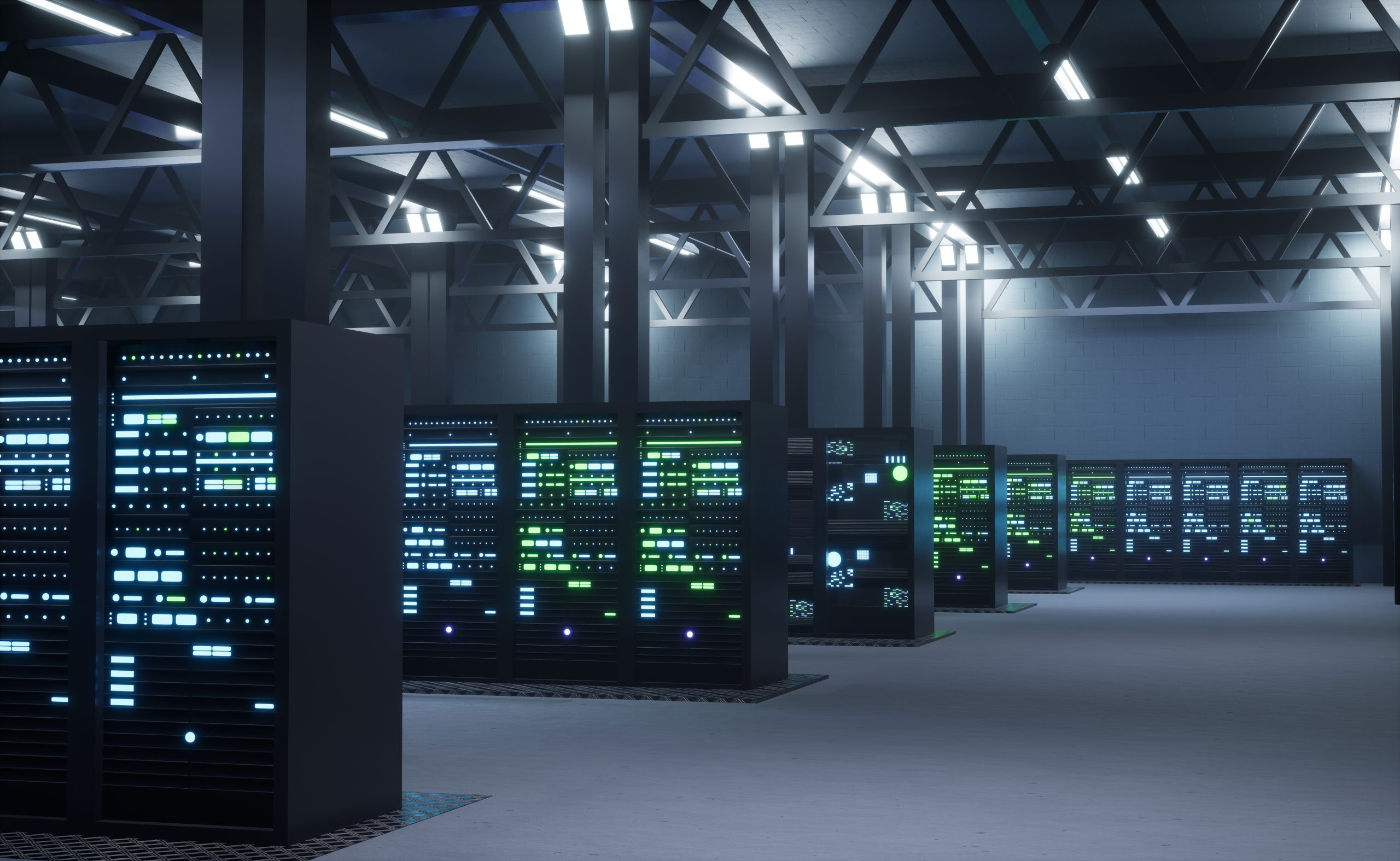
Unlike traditional architectural landmarks, however, these facilities are not designed for human comfort. Inside a modern hyperscale data centre are rows of densely packed servers generating immense heat loads.
To maintain reliable operations, these systems require sophisticated thermal management, including:
- advanced HVAC systems
- liquid or evaporative cooling technologies
- large-scale heat rejection systems
- precision environmental controls
Without effective cooling, servers overheat rapidly, causing system failures and costly downtime.
As AI workloads intensify, rack densities are increasing significantly – placing even greater pressure on data-centre cooling strategies.
Source: Adapted from a presentation by trend strategist Dion Chang at the ‘AI Unlocked: What ‘AI-ready’ means for your 2026 decisions’ seminar hosted by Open Access Data Centres (a WIOCC company) and Vertiv.