By Eamonn Ryan
The evolution of renewable energy has introduced a different combination of risks to those traditionally associated with infrastructure.

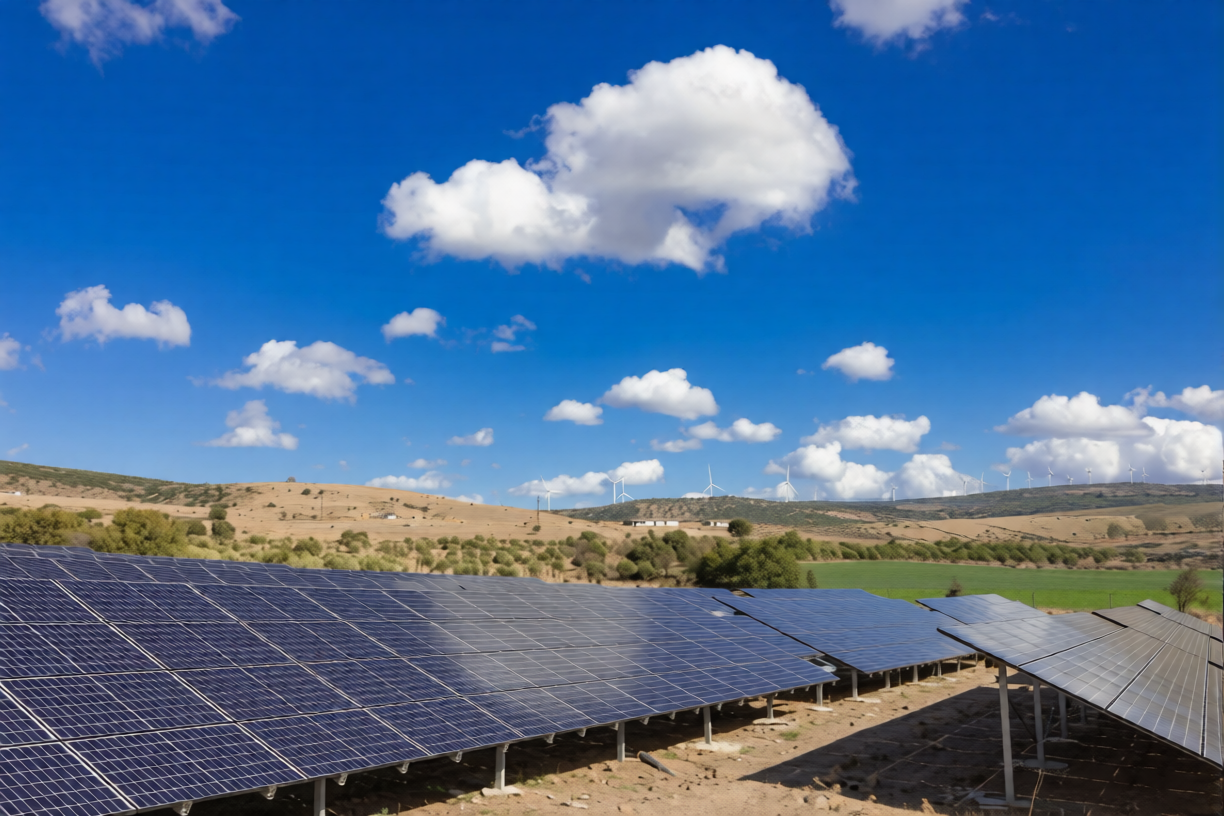
Solar panel produces green, environmentaly friendly energy from the setting sun. Aerial view from drone. Landscape picture of a solar plant that is located inside a valley
Projects may bring together numerous contractors and specialist suppliers, while technologies and operating models continue to develop. At the same time, renewable assets can be exposed to severe weather events and other environmental risks, while their financing structures can involve multiple stakeholders with different requirements.
For contractors – including those responsible for electrical systems, cooling, control equipment and other building services – these changing conditions highlight the importance of understanding where responsibility for risk lies during construction and operation.
South Africa’s renewable energy market is also becoming increasingly sophisticated, creating greater expectations around the insurance protection supporting individual projects.
Tom Sexton, head of renewables, power and energy at McGill and Partners, says the country is now one of Africa’s most active renewable energy markets, supported by substantial investment and an increasingly sophisticated project pipeline. “Working alongside GIB allows us to combine international insurance expertise with local market insight to deliver solutions that are aligned to the needs of renewable energy developers, owners and financiers,” he says.
International capacity, local expertise
Protea Green is supported by a panel of international insurers, including Aviva, Volt and Munich Re Specialty – Global Markets Syndicate, together with a dedicated panel of follow insurers. The solution also benefits from McGill and Partners’ strategic collaboration with AIG, providing additional underwriting capacity across its specialist portfolio.
According to Sexton, the changing expectations around insurance are not unique to South Africa. Renewable energy markets internationally are becoming more sophisticated as projects attract larger investments and developers face increasingly complex risk profiles. “South Africa has already reached this point,” he says, adding that the market is looking for solutions that combine local knowledge with international expertise and capacity.
Supporting the next phase of growth
South Africa’s renewable energy build-out is changing more than the country’s electricity generation mix. It is creating a broader infrastructure ecosystem involving developers, engineers, equipment suppliers, contractors, financiers and specialist service providers.
For the HVAC sector, this wider development is particularly relevant as renewable energy projects increasingly incorporate sophisticated electrical, control, thermal-management and supporting infrastructure. As project complexity increases, so too does the importance of managing the risks associated with installing and operating that equipment.
Insurance may receive less attention than project finance, engineering or generation capacity, but it forms part of the framework that allows major renewable energy developments to progress with greater certainty.
As South Africa continues to expand its renewable energy capacity, the insurance market will therefore need to evolve alongside the technology, investment models and infrastructure supporting the country’s energy transition.