By Eamonn Ryan
In part six of the Danfoss series, host Jamie Kitchen continued the discussion on layered control and safety in refrigeration systems with Jörg Saar and John Broughton. The focus was on extreme safety measures, venting systems, and lessons learned from real-world applications.

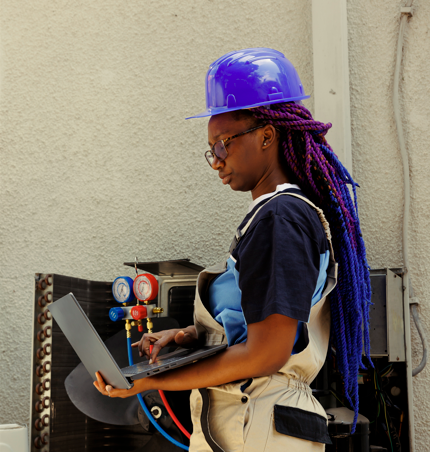
“If all else fails, venting plugs and relief valves are the system’s ultimate safeguard against failure.” – Saar. Freepik.com
Kitchen opened the discussion: “Sometimes, even with pressure and temperature controls in place, systems can continue operating under unsafe conditions. That’s when additional safety measures, like venting plugs or fusible relief valves, become critical.”
Saar explained the concept: “These are your absolute last line of defense. If all other controls fail and pressures continue to rise, a venting plug or relief valve prevents catastrophic system failure. Essentially, it’s game over – but in a controlled way.”
Broughton added context from his field experience: “When receivers get too hot or pressures spike beyond limits, these relief devices discharge refrigerant safely. It’s not common, but when it happens, it prevents damage to the system and protects personnel.”
Kitchen highlighted the origin of these safety devices: “Originally, the plugs were designed to melt in case of fire, releasing pressure to prevent explosions. Today, most applications are for extreme pressure or temperature events rather than fire, but the principle remains the same.”
Saar emphasised the importance of understanding system behavior: “High-pressure cutouts, manual resets, and discharge thermostats all work together. But if every other layer fails, a relief valve or venting plug ensures the system doesn’t explode. Engineers must know where each control fits in the hierarchy.”
Broughton shared a memorable example: “I once found a sensing bulb sitting in direct sunlight. It caused high superheat, flooded compressors, and nearly destroyed the system. Without proper venting or layered safety, the damage could have been far worse.”
Kitchen reinforced the message for HVAC professionals: “Learning the differences between controls, safeties, and extreme safety measures is critical. These devices have legal, operational and physical implications. Understanding them ensures compliance and avoids costly mistakes.”
Saar concluded, “Controls are for regular operation, safeties intervene when limits are exceeded, and relief devices are truly the last resort. Mastering these layers is what separates a good engineer from a great one.”