By Eamonn Ryan
This is an excerpt from the first of a series of monthly seminars that was hosted on 18 March 2026, leading up to the Pan African Data Centre conference in June. The panel consisted of Sandile Dube (Johannesburg), Mike Meyer (of Carshalton, UK), Emilie Watson (Courbevoie, France) and Ville Wacklin (of Kuopio Finland).

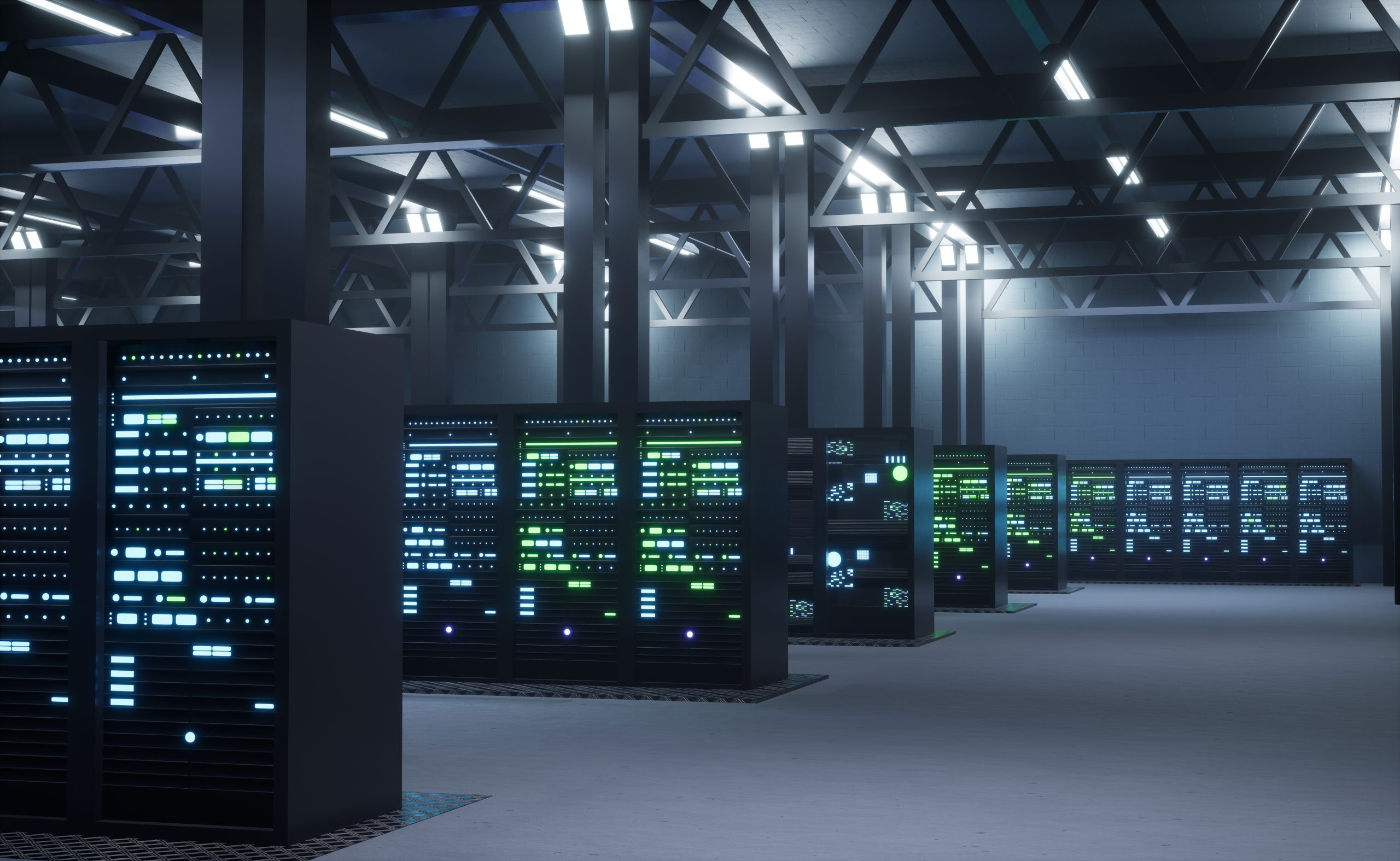
African data centres require patient, platform-based investment strategies. Freepik.com
Africa’s data centre market is poised for rapid growth, driven by AI workloads, cloud adoption and increasing demand for digital services. Beyond cooling, operators face HERVAC-related challenges, including energy sourcing, power reliability, operational efficiency, and environmental and social responsibility. Understanding these factors is critical for investors and developers seeking sustainable and scalable infrastructure across the continent.
Power availability is a core concern. While South Africa offers relatively mature grid access, countries like Nigeria rely on fully off-grid solutions with diesel generators or hybrid power systems. Data centres increasingly adopt hybrid models, combining national grids, on-site generation and renewable energy such as solar or hydro. Strategic partnerships with utilities allow data centres to strengthen rather than drain local grids. Future developments may see operators functioning as independent power producers, integrating storage and renewable generation into operations.
Tightening data residency laws are creating demand for localised infrastructure. Critical data must remain within national borders, compelling developers to deploy facilities that comply with sovereign requirements. While regulatory fragmentation can complicate investment, platform strategies that consolidate multiple sites under unified operational oversight allow investors to scale effectively across borders, balancing local compliance with global connectivity.
Operational efficiency and workforce development
Africa’s digital skills gap is significant but presents opportunities. Skilled local teams improve operational reliability, support liquid cooling and energy-efficient systems, and mitigate long-term risks. Training programmes, local partnerships and operational platforms are central to ensuring that new data centres meet international standards and maintain uptime even in high-density configurations.
Data centres contribute to economic growth by creating jobs, supporting youth digital inclusion and enabling new services. Environmentally, integrating renewable energy, reducing energy waste and exploring heat reuse can lower the sector’s carbon footprint. For instance, recovered heat could support community heating systems or industrial processes, demonstrating that HERVAC strategies can produce tangible benefits beyond the facility itself.
Investment approaches and risk mitigation
African data centres require patient, platform-based investment strategies. Key risk mitigators include securing anchor tenants, ensuring operational expertise, partnering with energy providers and maintaining strong local relationships. Long-term ROI is achievable, but investors must account for regulatory, political and market stability challenges. Compared to global markets, Africa offers longer-term growth potential and lower competition, making it a compelling opportunity for strategic capital.
Africa’s emerging digital infrastructure is not just about building data centres; it is about creating sustainable, high-performance environments for AI, cloud computing and digital services. By integrating HERVAC principles – from hybrid power solutions to operational efficiency, environmental sustainability and social responsibility – the continent can realise its full potential as a hub for scalable digital infrastructure.