By Eamonn Ryan
The first of a series of monthly seminars was hosted on 18 March 2026, leading up to the Pan African Data Centre conference in June. The panel consisted of Sandile Dube (Johannesburg), Mike Meyer (of Carshalton, UK), Emilie Watson (Courbevoie, France) and Ville Wacklin (of Kuopio Finland).

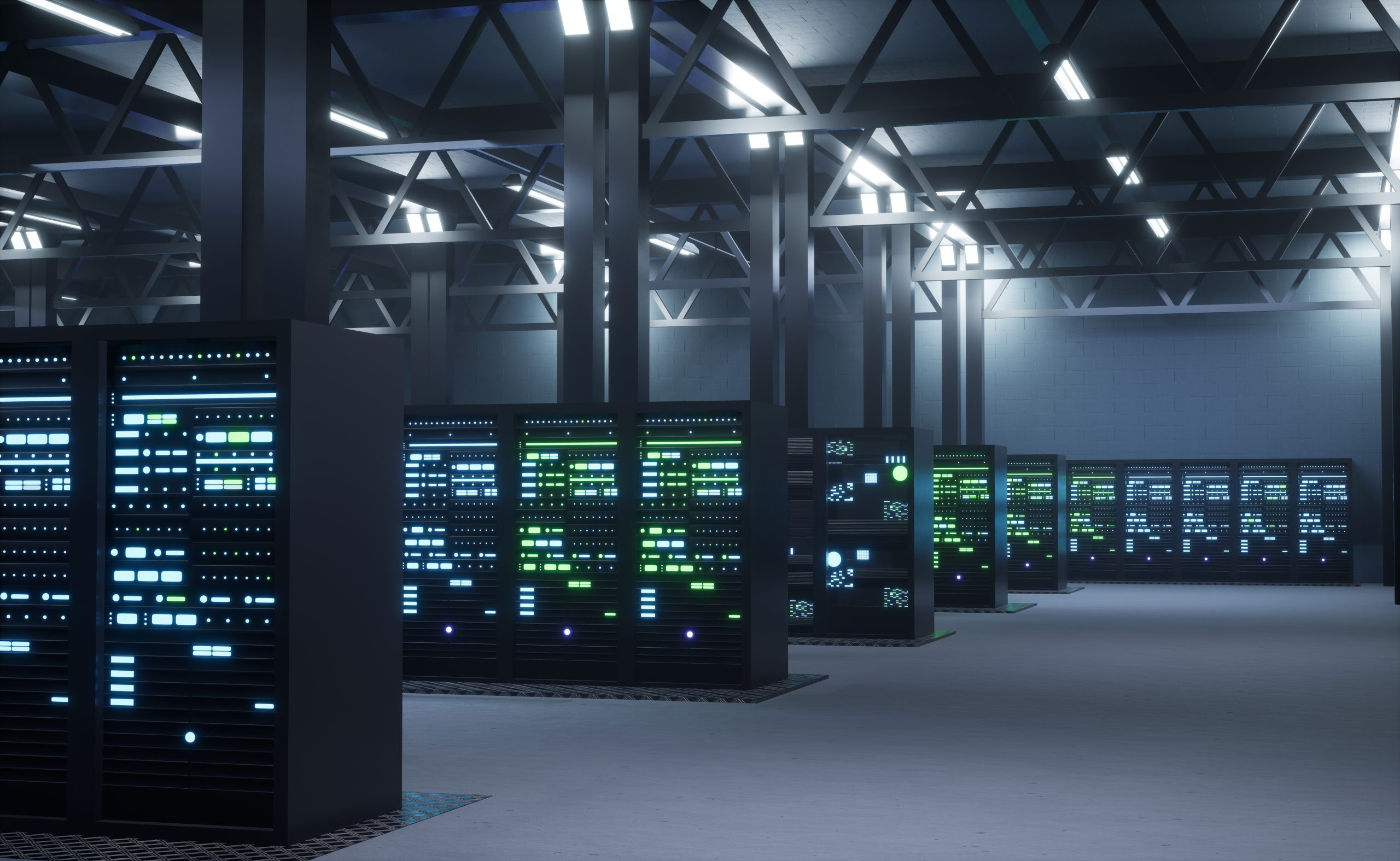
Implementing effective cooling strategies requires integrated planning from the earliest design stages. Rawpixel | Freepik.com
In particular, Dube and Meyer, discussed that as Africa’s digital infrastructure expands, cooling has become a critical determinant of data centre performance, reliability and scalability. With artificial intelligence (AI) workloads driving rack densities from 5kW to 30–50kW, operators are forced to rethink conventional cooling approaches. Traditional air-cooling systems are often inadequate for high-density deployments, making advanced liquid cooling and heat management strategies central to design considerations.
They noted that with the rise of AI, generative AI and large-scale cloud computing means African data centres must support unprecedented compute power. “Rack densities have soared, requiring precise temperature control to prevent overheating and downtime. Without effective cooling strategies, servers experience thermal throttling, reducing performance and shortening equipment life. As a result, cooling design is now considered core infrastructure, not a supplementary service.”
Liquid cooling as a solution
Liquid cooling is gaining traction as a highly efficient method for high-density racks. By directly transferring heat away from servers using specialised coolants, liquid cooling reduces energy consumption compared to traditional air systems, enhances reliability, and allows operators to achieve higher compute density per square metre. Furthermore, patented glycol monitoring and compensation systems ensure consistent performance even when coolant properties fluctuate, a critical consideration in regions with variable operational conditions.
Energy efficiency and sustainability
Cooling solutions must also align with Africa’s sustainability goals. High-density racks significantly increase energy demand, and poorly managed thermal loads can strain local power infrastructure. Advanced cooling design – including liquid cooling, hot/cold aisle containment and optimised airflow – minimises energy waste, reduces reliance on diesel backup systems and enables integration with renewable energy sources. For example, excess heat could potentially be reused in district heating systems or community energy programmes, creating both environmental and social value.
Operational design and planning
Implementing effective cooling strategies requires integrated planning from the earliest design stages. Factors such as server layout, airflow patterns, energy sources and liquid coolant management must be considered together. Hyper-scale operators are increasingly investing in data centre infrastructure with cooling as a priority, recognising that reliable temperature control directly supports uptime, performance and long-term ROI.
For Africa to fully leverage AI, cloud computing and high-performance workloads, cooling must be treated as a fundamental infrastructure requirement. Liquid cooling, energy-efficient design and strategic heat management are not optional – they are critical to enabling scalable, high-density and sustainable data centres. The success of Africa’s digital economy depends on getting this right.
Register for free to gain access the digital library for RACA Journal publications