By Eamonn Ryan
ASHRAE Journal Podcast Episode 26 features two of the most influential figures in building science and indoor environmental quality: William Bahnfleth and Max Sherman. Hosted by Emily Toto, ASHRAE manager of codes, the episode explores the intent, development, and implications of ASHRAE Standard 241: Control of Infectious Aerosols, a landmark standard created in direct response to lessons learned during COVID-19. This is part six of a six-part series.
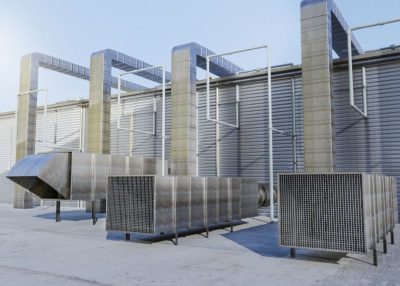
Toward a national IAQ vision. Freepik.com
ASHRAE Standard 241 was never designed to be an immediate building code. As Sherman notes, codes typically define the minimum legally acceptable condition. Standard 241 goes beyond that, addressing episodic risk and operational readiness – areas codes struggle to enforce.
But absence from code does not mean absence of influence.
Standard 241 is already positioned for meaningful voluntary adoption by:
- Large portfolio owners
- Government agencies
- Universities and healthcare-adjacent facilities
- Homeowners seeking protection for vulnerable occupants
For these groups, compliance is not about legality – it is about trust, resilience and reputation. A building that can credibly claim readiness for the next epidemic may attract tenants, students or staff in ways that minimum-code buildings cannot.
Energy concerns real, but often overstated
A common fear is that epidemic-ready buildings will be energy hogs. Standard 241 addresses this head-on. First, IRMM is not continuous. It is activated only during elevated risk periods.
Second, compliance does not require excessive outdoor air. Filtration, recirculation and UV technologies can deliver ECA at modest energy cost – often far less than feared. Design flexibility allows practitioners to tailor solutions to climate, system type and energy goals.
One of the most compelling arguments for Standard 241 is what happens outside IRMM.
Better filtration installed for epidemic readiness improves:
- Everyday indoor air quality
- Protection from wildfire smoke
- Reduction of allergens and particulates
As Dr. Sherman notes, these benefits often come “for free” once systems are upgraded.
Standard 241 is now under continuous maintenance, with open proposals and revisions planned. The committee has committed to aligning fully with ANSI procedures, increasing transparency and rigor.
Planned next steps include:
- A comprehensive user’s guide
- Improved air distribution guidance
- Expanded risk assessment options
- Deeper analysis of energy impacts
This evolution reflects a long-term commitment, not a one-time response.
Toward a national IAQ vision
Both Bahnfleth and Sherman articulate a broader ambition: a national model for indoor air quality that integrates health, energy and resilience.
Standard 241 may be remembered as the moment when IAQ standards moved beyond comfort and odour and began to explicitly address health risk over time.
Ultimately, Standard 241 is not just a technical standard. It represents a shift in how buildings are expected to perform in a world where epidemics, smoke events, and environmental uncertainty are no longer rare.
It asks a simple but transformative question: Are our buildings ready – not just designed – to protect people when it matters most?
If the industry answers that question seriously, Standard 241 may prove to be one of the most consequential standards ASHRAE has ever produced.