By Eamonn Ryan
Part one: Inland ports and the balance between rail and road

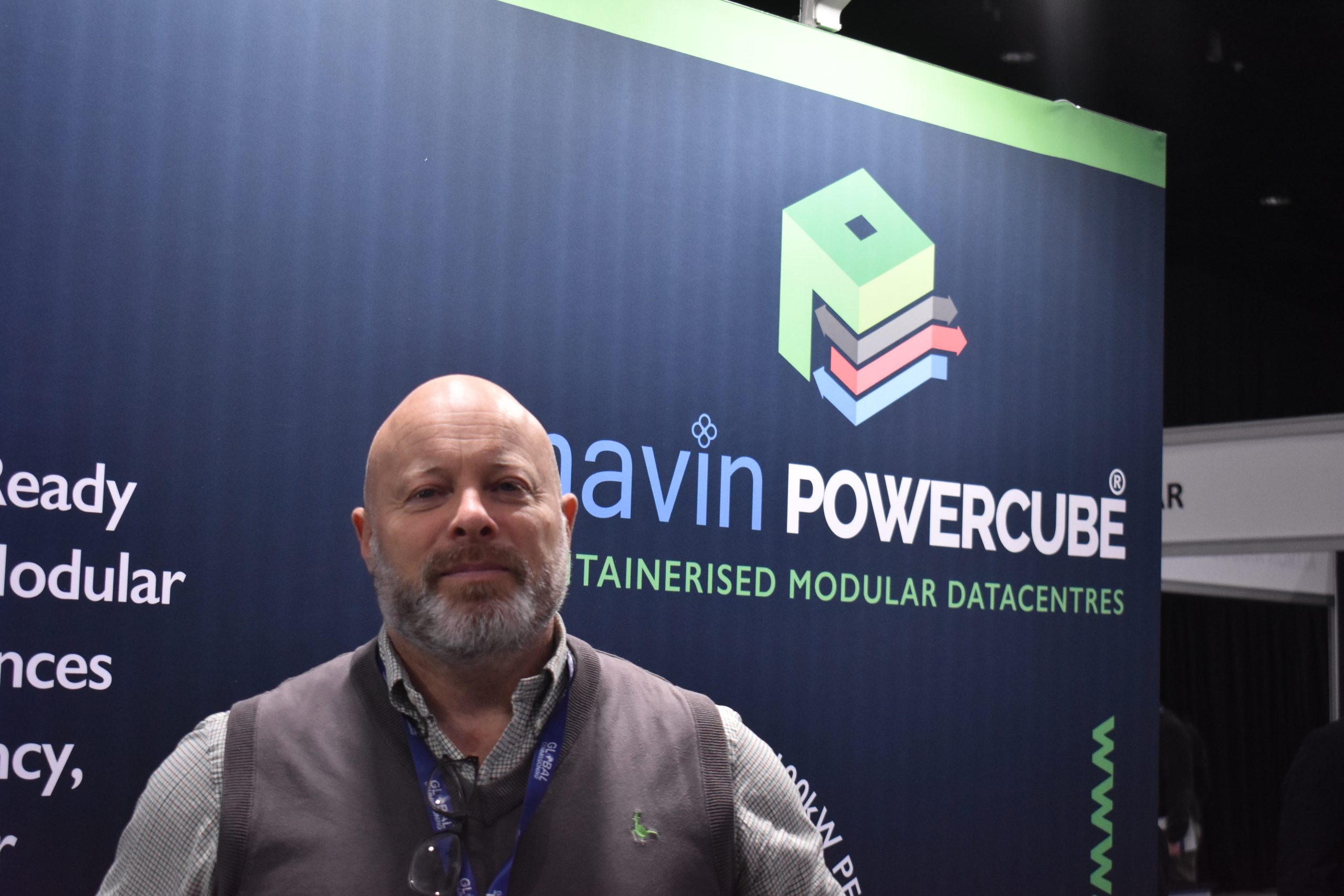
Developer Francois Nortje. © Cold Link Africa
South Africa’s cold chain and perishable freight sectors are increasingly exposed to the weaknesses of the Durban–Gauteng logistics corridor. With container volumes projected to surge from 2.8 million units in 2022 to 11.2 million by 2030, and the National Development Plan anticipating demand at 20 million, the system is at breaking point.
Developer Francois Nortje, speaking at a recent Port of Gauteng briefing, highlighted that the country cannot afford further delays in infrastructure reform. “Expensive goods cannot sit for a week in City Deep,” he said, underscoring the vulnerability of fresh fruit, chilled meat, seafood, dairy and pharmaceuticals that depend on precise temperature control. “These products demand world-class turnaround speeds.”
The proposed Port of Gauteng seeks to provide that relief. Positioned at the entry to Gauteng along the N3 corridor, the 1 400ha development is earmarked for logistics and light industrial use. Its design allows for intelligent terminals capable of three-hour container turnarounds and next-generation warehousing engineered for reliability and control. For perishable freight operators, this means faster access to inland markets, greater flexibility in reefer monitoring, and less double handling compared with Durban-based storage.
The corridor’s collapse in rail volumes is particularly concerning for the cold chain. In total, once carrying up to 80 trains per day, Transnet’s share has now fallen to below 16%, with corridor losses exceeding R2.3-billion in 2022–23 alone. This imbalance leaves the N3 saturated with trucks, creating congestion, delays, and rising transport costs. For exporters of time- and temperature-sensitive goods, the loss of reliable rail service removes an affordable, lower-emissions alternative to trucking.
Nortje’s vision is for inland terminals such as the Port of Gauteng to rebalance freight between road and rail, cutting highway truck movements by a third and lowering logistics costs without government subsidies. By consolidating reefers inland – where reefer plugs, cross-docking and monitoring can be tightly controlled – the port could serve as an anchor for cold chain resilience across southern Africa.