By Eugene le Roux, FSAIRAC, and Eamonn Ryan
From cars to complex projects – this is the second instalment of a two-part series.

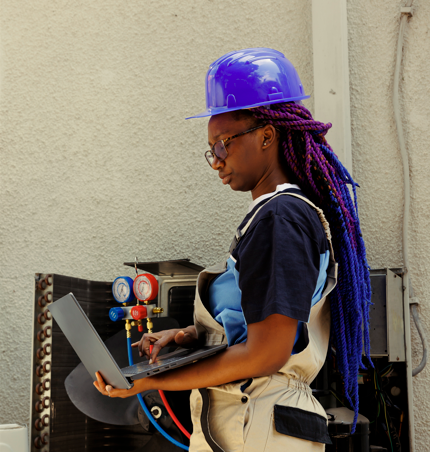
Embracing centralised control is not optional. Vecstock | Freepik.com
The introduction of Controller Area Network (CAN) bus communication to industrial and commercial environments is more than a matter of convenience; it represents a paradigm shift in how processes are designed, monitored and managed. For project managers tasked with overseeing large construction, manufacturing or infrastructure projects, understanding this shift is critical.
- First, centralised control increases efficiency. Rather than designing control systems with hundreds of individual wiring runs, projects can rely on a simple backbone, a two-wire system, that dramatically reduces installation costs, complexity and potential points of failure. For example, in a high-rise office tower, instead of wiring every air-conditioning unit and thermostat back to a central switchboard, CAN bus allows them to link seamlessly to a central control room, reducing material and labour requirements.
- Second, it enhances scalability. As projects expand or needs evolve, new devices can be integrated into the existing CAN bus with minimal disruption. In a factory setting, this means additional machinery or production lines can be monitored and controlled without re-engineering the entire system.
- Third, centralised control improves data quality and decision-making. Data logging and real-time feedback allow for predictive maintenance and process optimisation. Managers can spot inefficiencies – such as a motor drawing excessive current or an HVAC system wasting energy – and take proactive steps. Over time, this leads to reduced downtime, lower operating costs and improved sustainability.
The role of the project manager, therefore, is no longer limited to ensuring that ‘things get built’. Increasingly, project leadership requires an understanding of the digital backbone of modern infrastructure. Knowing how CAN bus systems function, how they integrate with automation software, and how they can be specified in project designs ensures that the final outcome is both future-proof and cost-effective.
Moreover, embracing centralised control is not optional. As industries lean into Industry 4.0 and smart building technologies, clients expect systems that are intelligent, responsive and adaptable. Whether managing a petrochemical facility where safety is paramount, a factory seeking efficiency gains, or an office tower chasing green building certification, centralised control via CAN bus is quickly becoming the standard.
For project managers, the key question is: are we ready to specify, manage and oversee projects with this level of technological integration? The shift has already begun. Just as engineers designing vehicles had to master CAN bus systems to integrate airbags, brakes and powertrains, today’s project managers must develop a working fluency in centralised control frameworks.
In the coming years, centralised control will move beyond just plants and factories. We can expect integration with IoT platforms, AI-driven predictive analytics, and cloud-based monitoring systems, making facilities smarter and more autonomous. By preparing now, project managers can position themselves not only as builders of physical assets but also as enablers of digital transformation in infrastructure.