By Eugene le Roux, FSAIRAC, and Eamonn Ryan
Why ergonomics matter in HVAC projects.

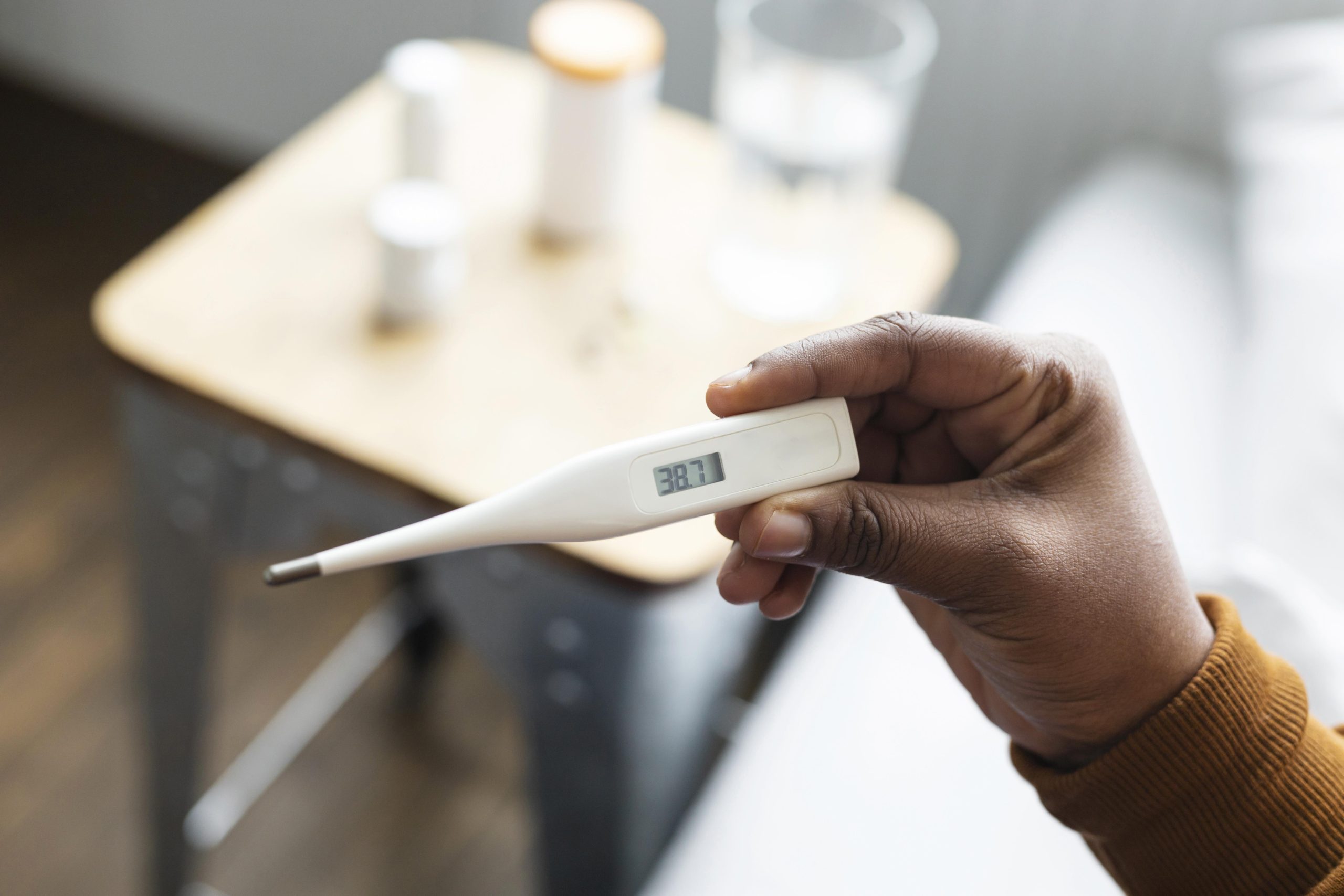
When air conditioning becomes a carrier. DC Studio | Freepik.com
When designing or managing a building’s environmental systems, the focus is often on achieving optimal temperatures and meeting compliance standards. But true indoor comfort – and by extension, human performance – goes much deeper. Ergonomics, the science of aligning environmental and operational conditions with human capability and comfort, plays a decisive role in how people experience and perform within a workspace.
While parameters such as Wet Bulb Global Temperature (WBGT) are regularly considered for heat stress management, the interaction of human factors – clothing, metabolic activity, air composition and humidity – often receives far less attention than it deserves.
Accounting for human factors
Environmental comfort depends not just on temperature, but on how the human body exchanges heat with its surroundings. A construction worker, for example, wearing heavy protective gear will experience far higher effective heat stress than a lightly dressed office worker at the same WBGT. Ergonomic design must therefore consider activity level, clothing insulation values and the thermal radiation of nearby equipment or surfaces.
Even small oversights can lead to fatigue, dehydration or reduced concentration – each of which erodes productivity and increases accident risk. The ergonomics of environmental control are, in essence, a matter of health and performance.
The air we breathe: balancing safety and efficiency
Another key element in ergonomic comfort is air quality, often dictated by the safe concentration limits of gases such as carbon dioxide (CO₂), carbon monoxide (CO), and other contaminants. Translating these limits into actual ventilation requirements is both a science and an art.
ASHRAE standards, for instance, recommend a maximum indoor CO₂ concentration of about 1 000ppm for occupied spaces. Exceeding this can cause drowsiness and impaired cognitive function. Yet, to reduce energy costs, many systems are designed with minimal fresh air intake, relying heavily on recirculated air. This trade-off between energy efficiency and occupant well-being can inadvertently create ergonomic hazards that are invisible but significant.
When air conditioning becomes a carrier
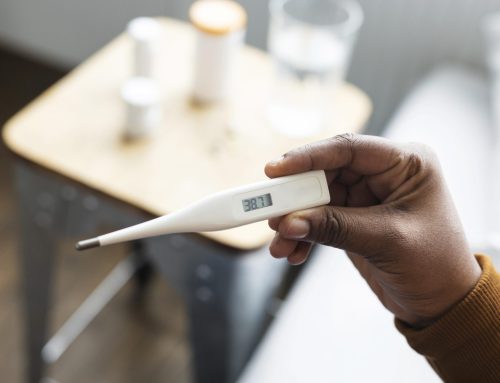
In high-occupancy buildings – such as hospitals, hotels and large office complexes – poor indoor air management can turn the HVAC system into a vector for disease transmission. During flu seasons or viral outbreaks, recirculated air with insufficient outdoor dilution may distribute pathogens throughout the building.
Regular ozone-based duct cleaning or UV-C sterilisation systems can greatly reduce microbial buildup in air-handling units. However, these procedures are often neglected, either due to cost or lack of awareness, allowing bioaerosols to accumulate over time.
Could this be a contributing factor to the phenomenon known as ‘sick building syndrome’, where occupants report fatigue, headaches or respiratory discomfort without any identifiable illness? The answer may lie in how ergonomics and air hygiene intersect.