By Eamonn Ryan
Indoor air quality (IAQ) has become one of the most influential drivers of innovation within the global HVAC industry.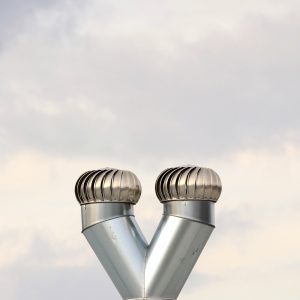
As governments, employers and building owners place greater emphasis on healthier indoor environments, manufacturers and engineers are responding with advanced technologies designed to improve air cleanliness, ventilation and occupant wellbeing.
The heightened awareness surrounding airborne contaminants following the COVID-19 pandemic significantly accelerated demand for better indoor air management. Today, indoor air quality is no longer viewed as a secondary feature but as a central requirement in modern building operation.
New regulations and workplace health standards are encouraging investment in upgraded ventilation systems, improved filtration and real-time air quality monitoring. Schools, hospitals, offices and public facilities are among the sectors leading the adoption of advanced HVAC solutions aimed at reducing airborne pollutants and enhancing occupant comfort.
Filtration technology continues to evolve rapidly. High-efficiency particulate air (HEPA) filtration systems, ultraviolet germicidal irradiation (UVGI) and bipolar ionisation technologies are increasingly being incorporated into HVAC designs. While some technologies remain subject to ongoing scientific evaluation, demand for enhanced air purification remains strong across many markets.
Smart sensors and building automation systems are also transforming how indoor air quality is monitored and managed. Modern HVAC systems can now track carbon dioxide levels, humidity, particulate matter and volatile organic compounds in real time. This allows facility managers to respond quickly to changing indoor conditions and optimise ventilation performance.
Energy efficiency remains closely linked to indoor air quality goals. Historically, increasing ventilation rates often resulted in higher energy consumption. However, modern energy recovery ventilators, demand-controlled ventilation systems and intelligent airflow management technologies are helping balance occupant health with sustainability objectives.
Green building certification programmes are further influencing the direction of HVAC innovation. Building standards increasingly recognise the importance of healthy indoor environments alongside energy performance. Developers seeking certification are investing in systems that support both environmental and occupant wellness goals.
Workplace expectations are also evolving. Employees and tenants increasingly expect healthier indoor environments, particularly in commercial office spaces. This shift is encouraging property owners to view indoor air quality improvements as both a health investment and a competitive advantage.
Looking ahead, indoor air quality policies are expected to become even more comprehensive. As regulations tighten and awareness grows, HVAC manufacturers and service providers will continue developing technologies that improve both environmental performance and human wellbeing.
For the HVAC industry, indoor air quality is no longer simply a maintenance consideration. It has become a major force shaping future system design, operational strategy and building performance worldwide.
montypeter | Magnific.com