Supplied by AECOM, edited by Eamonn Ryan
Why environmental risk is now a business risk. This is part one of a two-part series.

Elisabeth Nortje, director – Environment, Africa at AECOM.
Supplied by AECOM
What this means for the HVAC&R sector
For the HVAC&R industry, environmental resilience is no longer limited to improving energy efficiency or meeting compliance requirements. As climate-related disruptions become more frequent, HVAC&R systems are increasingly expected to support operational continuity, occupant comfort, water conservation, indoor environmental quality and infrastructure resilience. From data centres and hospitals to commercial buildings and industrial facilities, the sector sits at the centre of the conversation around climate adaptation and sustainable development.
As environmental challenges become more interconnected, organisations are being forced to rethink how they assess risk and plan for the future. Climate change, biodiversity loss, water scarcity, pollution, food insecurity and infrastructure resilience are no longer isolated concerns. Their effects are being felt across industries, economies and communities worldwide.
Observed annually on 5 June 2026 and led by the United Nations Environment Programme (UNEP), World Environment Day serves as a reminder that environmental issues are increasingly shaping business decisions, investment strategies and long-term planning.
For Elisabeth Nortje, director – Environment at AECOM, this year’s World Environment Day arrives at a particularly reflective time. Following celebrations marking Sir David Attenborough’s 100th birthday on 8 May 2026, she found herself considering the environmental changes witnessed over the past century and the challenges that may define the next.
“I was reflecting on what changes he saw in his lifetime,” says Nortje. “From the rise of the environmental movement to climate warming, biodiversity impacts and growing environmental awareness. Then I thought to myself: what are we going to see in the next 100 years?”
The milestone coincided with renewed public interest in viewing Earth from space through the Artemis II mission, reinforcing a powerful message about the planet’s interconnected systems.
“We cannot afford to be disconnected from our fellow people and from the rest of the planet. Our water, food, energy, air and environment all come from interconnected systems,” she explains.
A new approach to environmental management
One of the most significant shifts in environmental planning is that organisations are no longer assessing only the impact they have on the environment. Increasingly, they must also evaluate how environmental conditions will affect their own operations.
“Traditionally, environmental work focused on a client’s impact on the environment and the approvals or legislative requirements attached to that. But increasingly the question is: what impact is the environment going to have on your business?” Nortje explains.
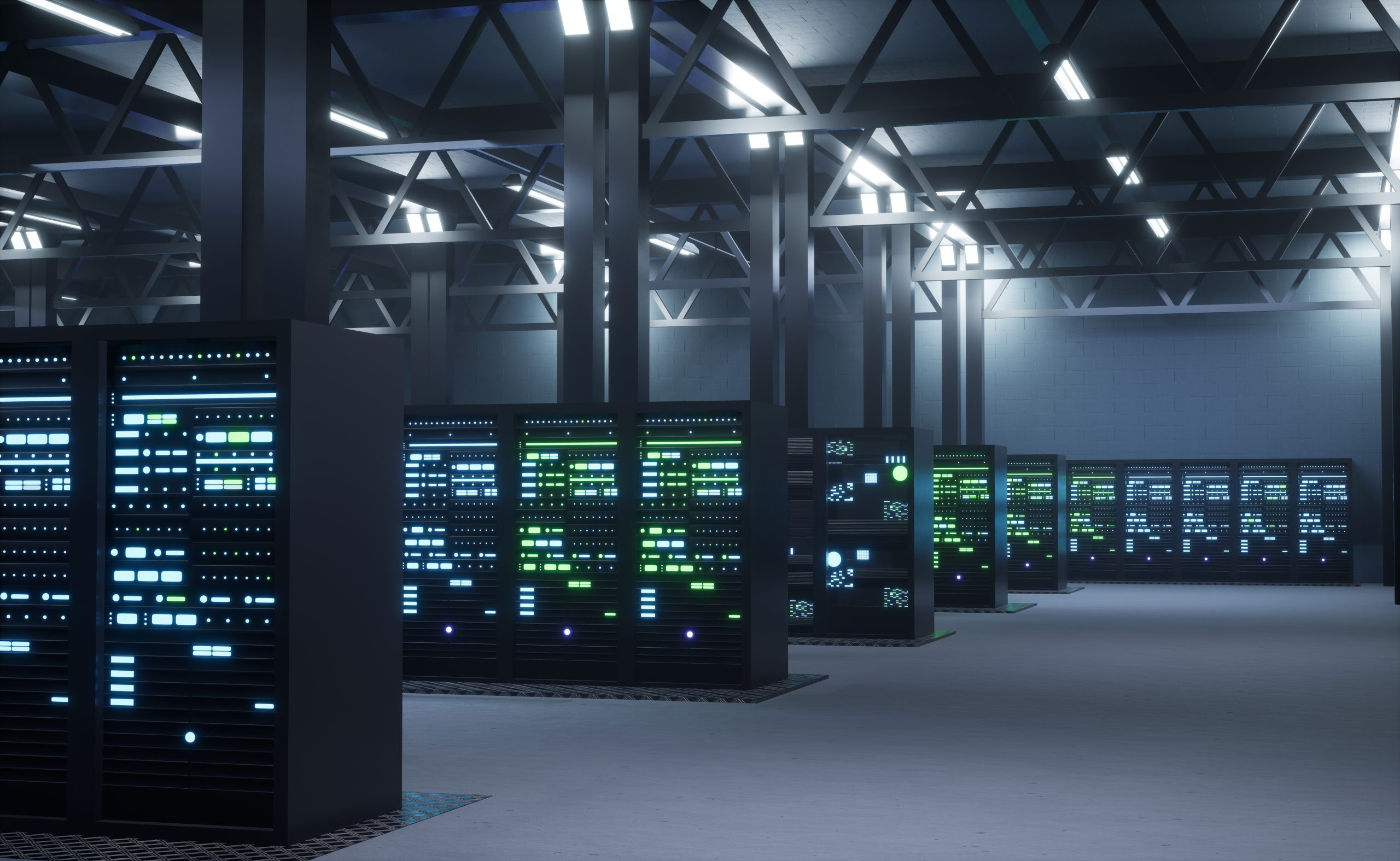
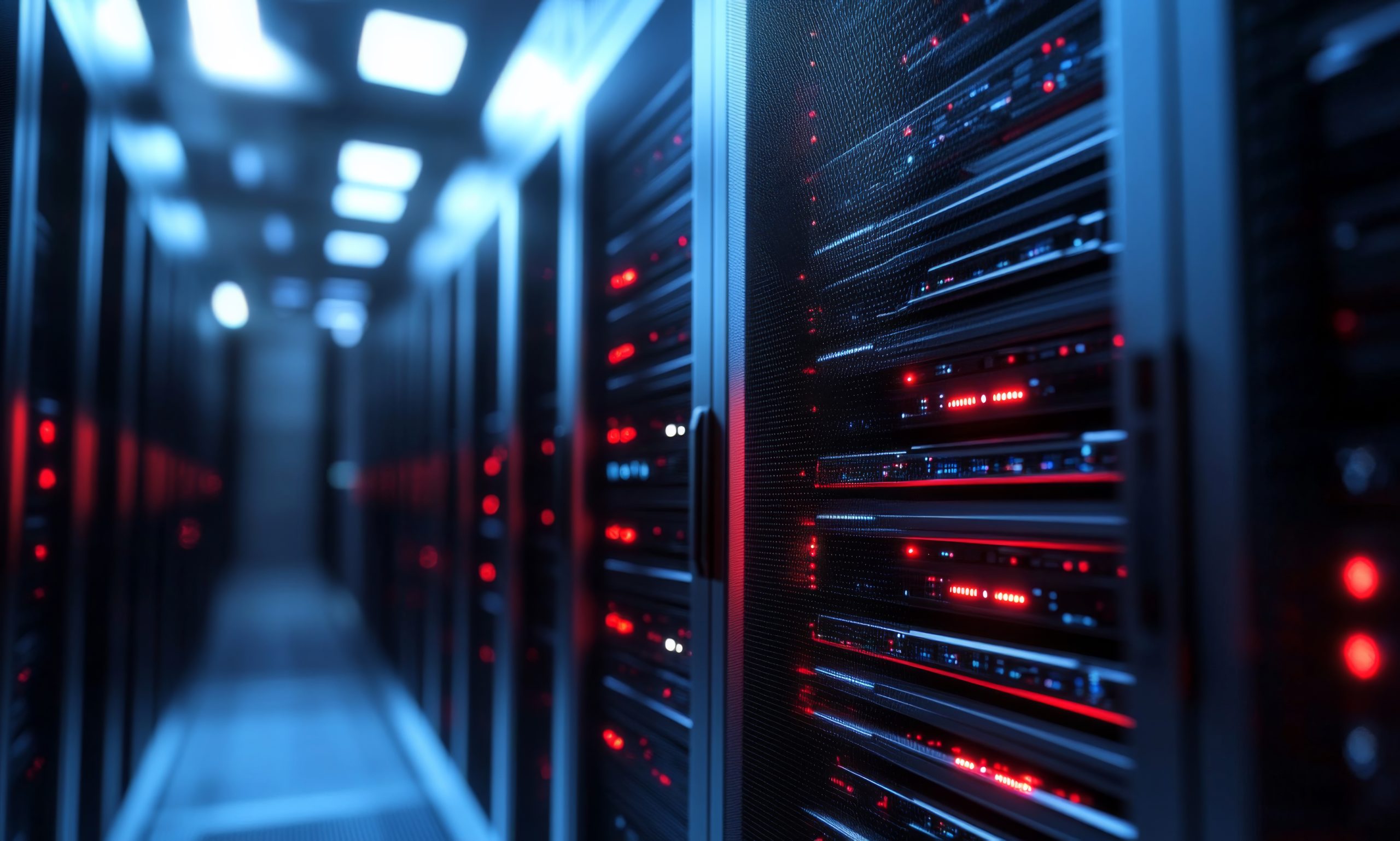
This shift is particularly relevant across infrastructure, mining, manufacturing, energy and digital infrastructure sectors. Using the example of a proposed data centre, Nortje notes that environmental planning now requires a dual focus.
“You assess what impact the project will have on the environment, but you also need to ask: what happens if there is flooding? What happens if there is insufficient water supply? What happens during extreme weather events?”
For HVAC&R professionals, these questions have direct implications. System designers and facility managers must increasingly consider climate resilience, cooling reliability, water availability and the ability of critical infrastructure to withstand extreme weather conditions.
These concerns are no longer theoretical. Around the world, climate-related disruptions are affecting supply chains, operations, water security and infrastructure reliability.
“More and more businesses are being impacted by the environment because of their impact on the environment,” says Nortje.
Resilience takes centre stage
The growing focus on resilience aligns closely with AECOM’s sustainability strategy, which places climate adaptation and resilience at the heart of future infrastructure planning.
The company’s sustainability initiatives emphasise the importance of integrating resilience into operations, supply chains and long-term business strategies. For industries that rely heavily on stable environmental conditions – including HVAC&R – this approach is becoming increasingly important.
However, resilience cannot be viewed through a single lens. As Nortje points out, environmental risks are deeply interconnected, creating complex challenges that require systems-based thinking.
Coming in Part 2…
As organisations confront climate change, biodiversity loss and water insecurity, understanding how these risks interact is becoming essential. In part two, we explore why interconnected environmental challenges are driving greater investment in nature-based solutions, how vulnerable communities are being affected, and why long-term sustainability planning remains critical despite growing political and economic uncertainty.
Supplied by AECOM