By Eugene le Roux, FSAIRAC, and Eamonn Ryan
In any complex engineering project, whether it’s building an aircraft, developing a software system, or constructing a new energy grid, one of the most critical – and often underestimated – aspects is the interface. This is Part Three of a three-part series.
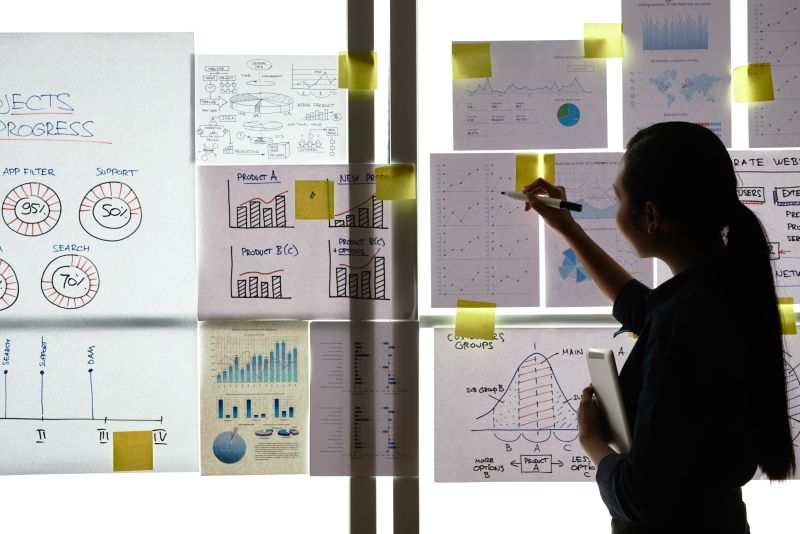
The concept of interfaces can be applied beyond technical systems. Image by Pressfoto | Freepik.com
Absolutely. Interfaces are often where complexity hides in systems engineering. While a component or system may be well-understood in isolation, the act of interfacing it with other systems introduces variability, dependencies, and sometimes unanticipated behaviour. Managing this complexity is one of the key challenges in systems integration, and it underscores the importance of robust interface management practices.
The role of interface management in collaboration
Given that projects often involve multiple teams, organisations or even nations, interface management becomes a central part of collaboration. Clear interface definitions help:
- Prevent misunderstandings
- Reduce rework
- Define responsibilities across team boundaries
This is especially true in large programmes with subcontractors or international partnerships, where misalignment on interface definitions can derail progress.
Interface thinking beyond engineering with management systems
Interestingly, the concept of interfaces can be applied beyond technical systems. In management systems, interfaces exist in the form of handoffs between departments, communication protocols or policy constraints. Thinking in terms of interfaces can help reveal organisational bottlenecks, clarify roles and optimise processes – just as it does in technical systems.
Interfaces and the System Engineering Process (SEP)
Interface specifications are tightly interwoven with the SEP. From requirements analysis through design, integration, verification and validation, the SEP relies heavily on clear interface definitions. Interface Control Documents (ICDs), Interface Requirement Specifications (IRS) and configuration management all stem from this process.
In fact, a failure to properly manage interfaces is a leading cause of integration failure in large systems. Thus, the discipline of interface management is not just a subset of systems engineering – it is a cornerstone of it.
Conclusion
Interface specifications may seem like a narrow technical concern, but in reality, they touch on almost every aspect of systems engineering. They require early planning, clear communication, and careful co-ordination across stakeholders. Whether you’re dealing with hardware, software or human systems, understanding and managing interfaces is essential for building systems that not only work, but work together.